Vienna or Prague: Which City Should You Visit?
Vienna or Prague, which one should you visit? If you’re planning a trip to Central Europe and only have time for one city, it can be a tough call.
We’ve been to both and honestly, they’re each worth a spot on your list. But if you’re short on time, or trying to plan a trip that works well for your family, one might make more sense than the other. They’re very different cities — in vibe, cost, and even how easy they are to get around — and depending on your priorities, one will probably stand out.
In this post, I’ll break down what to expect in each city, from sights and food to transit and travel costs, plus what my kids loved most in both. If you’re trying to decide between Vienna and Prague, this should help you figure out which one’s the better fi
This post contains affiliate links. If you make a purchase through one of these links, we may earn a small commission at no extra cost to you. As always, we only recommend products and experiences we truly believe in.
Vienna vs. Prague at a Glance
Just want the quick version? Here’s a side-by-side comparison to help you get a feel for each city before diving into the details.
| Vienna | Prague | |
| Vibe | Elegant, polished | Quirky, medieval |
| Best for | Museums, music and café culture | Walkable Old Town, views, cobblestone streets |
| Cost | Higher overall | More budget-friendly |
| With Kids | Great playgrounds, interactive indoor options | Towers, castles, trams, parks |
| Best Season | December (Christmas markets), Spring | Shoulder season, December (Christmas Markets) |
| Language | German | Czech |
| Getting Around | Excellent public transit | Walkable with fun tram rides |
| Tourist Crowds | Busy, especially in peak season | Also busy, but feels smaller and more compact |
What to Expect in Each City
Vienna and Prague are both beautiful European cities, but they have very different vibes. One feels polished and regal, the other more medieval and atmospheric. Here’s a quick breakdown of what it’s like to visit each one.
Vienna: Elegant, Grand, and Surprisingly Great for Kids
Vienna feels polished and regal, with wide boulevards, ornate buildings, and a calm, organized vibe that makes it easy to explore, even with kids. It’s known for classical music, art, and imperial history, but that doesn’t mean it’s only for adults. There are some great attractions here that are actually geared toward kids.
Places like the Haus der Musik make classical music interactive and fun, while museums such as Belvedere offer kid-friendly programs that go beyond just looking at paintings. For more ideas, here’s a roundup of fun, kid-friendly museums in Vienna that are actually worth adding to your itinerary.
Getting around is easy with the city’s excellent subway, tram, and bus network, and public spaces like the Prater offer plenty of room to play. You’ll also find some great playgrounds tucked into parks all over the city. For more ideas, here’s a full guide to things to do in Vienna with kids.

Prague: Medieval Streets, Castle Views, and a Compact City Centre
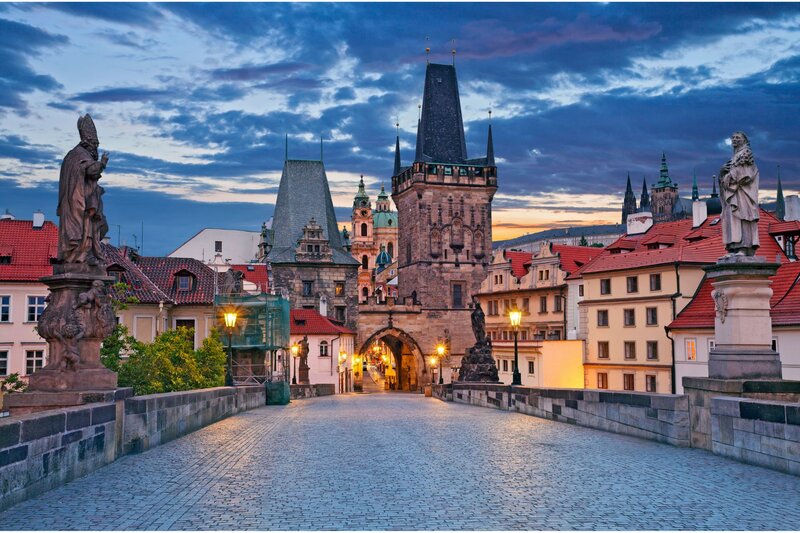
Prague feels smaller and more medieval, with narrow cobblestone streets, towering spires, and an old-world charm that makes wandering the city a highlight in itself. You don’t need a packed itinerary here; just walking across Charles Bridge or climbing up to Prague Castle is an adventure.
There’s a lot to see, and much of it is fun for kids too, from spotting the Astronomical Clock to riding the trams and climbing towers for city views. It’s also an easy city to get around on foot, especially in and around Old Town Square, which helps keep sightseeing simple. You’ll find more ideas in this list of family-friendly things to do in Prague, or you can follow one of these kid-friendly Prague itineraries, whether you’re planning just one day in Prague or staying for three days.
When you need a slower pace, there are also some great playgrounds in Prague where kids can burn off energy between stops.
Which One Is More Affordable?
When it comes to cost, Prague is generally the more budget-friendly option — especially when it comes to accommodation and food. Prices have gone up in recent years, but they’re still usually lower than what you’d pay in Vienna.
I found hotels and restaurants noticeably cheaper in Prague, even in central areas. Vienna tends to feel more expensive overall, particularly near the main sights, but if you’re flexible with location and don’t plan to do every tour or attraction, you can definitely keep costs down. This guide to where to stay in Vienna with kids includes some neighbourhoods that are still convenient but offer better value.
Transit is easy and affordable in both cities, especially with short-term passes, so you won’t need to factor in much extra there.
In short:
- Want to stretch your budget? Prague is the better pick.
- Planning to splurge a little on culture and cafés? Vienna has that classic feel — but it comes at a higher cost.
Which Is Better with Kids?
Both cities can be great with kids, but in different ways.
Vienna is ideal if you’re looking for a mix of classic European sights and indoor activities that are actually geared for kids. Places like the ZOOM Children’s Museum, the interactive exhibits at Haus der Musik, and family-friendly programs at major museums like Belvedere help make Vienna feel more accessible for younger travellers.
There’s also Haus des Meeres, a multi-storey aquarium housed in a former WWII tower — and a great option if the weather isn’t cooperating.
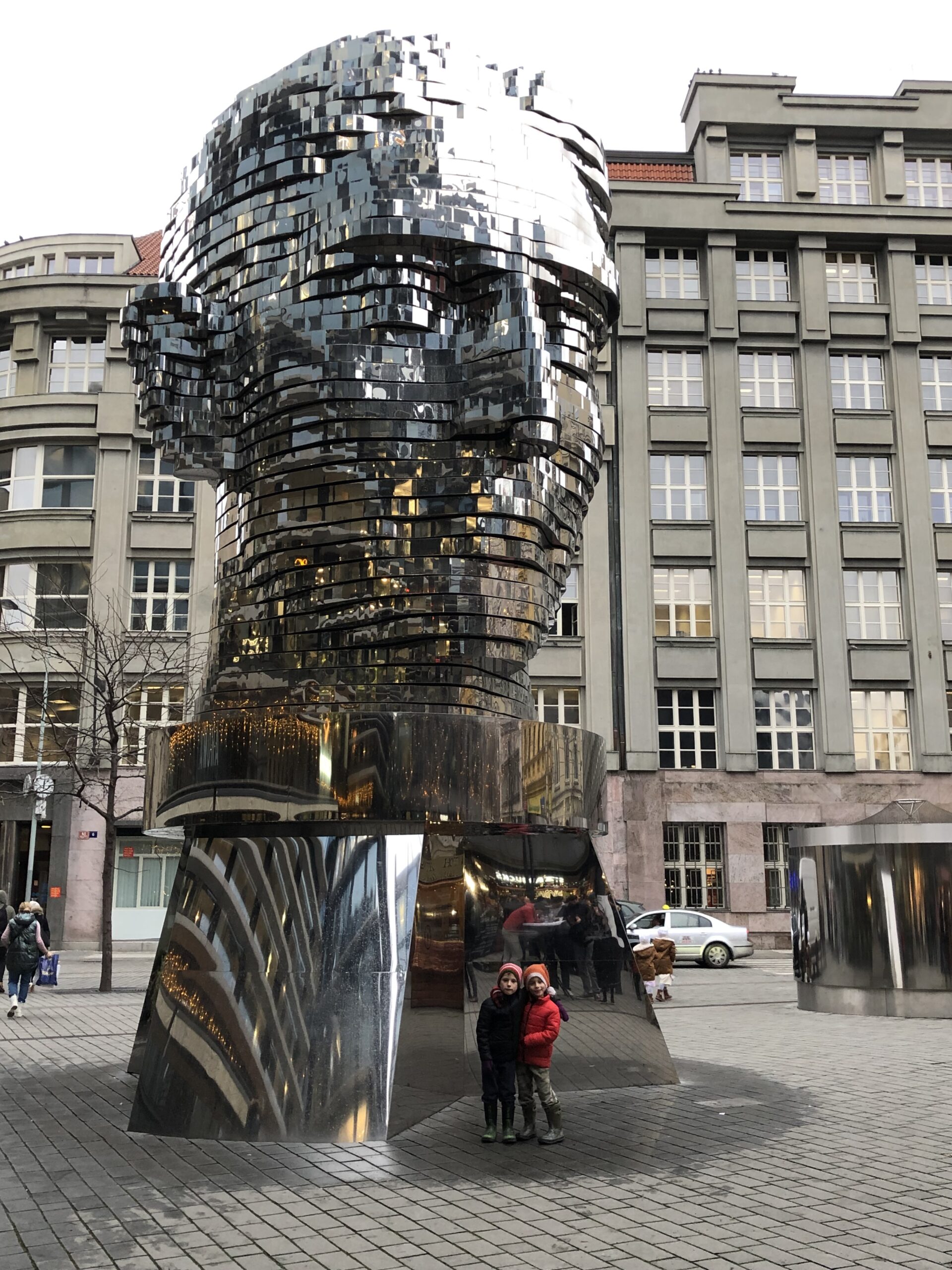
Prague is more compact, so it’s easier to explore without relying on transit all the time. The Old Town is walkable, and there are towers to climb, a castle to explore, and trams that double as a fun activity. You’ll also find spots like the LEGO Museum, the hands-on Gallery of Steel Figures, and playful art and sculptures tucked into streets and squares that are fun to stumble across as you go.
Both cities have fantastic playgrounds when you need a break, and plenty of parks and green spaces where kids can run around. Vienna has more options for indoor attractions, especially in winter, while Prague keeps things easy with a mix of sights and experiences that are right in the city centre.


Getting Around Each City
Both cities are easy to get around, but in slightly different ways.
Vienna has one of the best public transit systems we’ve used; it’s clean, reliable, and simple to figure out, even if you don’t speak German. Between the subway (U-Bahn), trams, and buses, it’s quick to get just about anywhere. Stations and stops are well-marked, and buying a transit pass is straightforward. We rarely had to wait more than a few minutes. It also makes staying outside the city centre a non-issue.
Prague is more compact, especially in the areas most visitors spend time. You can walk between major sights in the Old Town, across Charles Bridge, and up to the castle without much planning. The tram system is also really easy to use, and more fun than the subway since you get to see the city as you go. Just watch for cobblestones if you’re pushing a stroller.
Both cities are completely doable without a car. We didn’t have one in either, and it never felt like a problem.
Prague is better if you’d rather walk and Vienna is better if you want to rely on transit (although we still walked a lot!).
When to Go
You can visit either city year-round, but like most European cities, the experience really depends on the season.
Spring and fall are ideal for both Vienna and Prague. The weather is mild, crowds are thinner, and everything’s open. If you’re trying to avoid peak prices and big tour groups, these are the best months to go.
Summer is the busiest time, especially in Prague’s Old Town and at major attractions in Vienna. Expect higher prices and crowded streets. That said, summer can still be a great time to visit. Both cities have parks, outdoor festivals, and enough to see that you can always find something a little less busy.
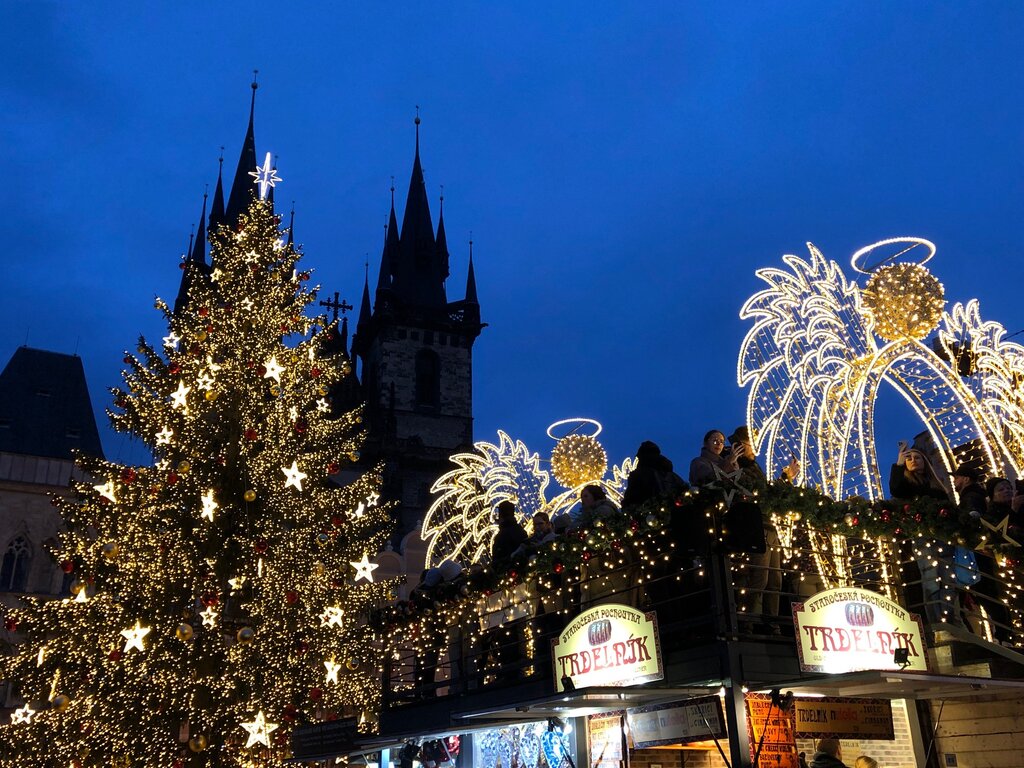
Winter brings colder weather, but also Christmas markets, and both cities do them well. Vienna in December feels especially festive with its grand squares lit up and markets spread across the city. Prague’s Christmas markets are smaller but still charming, and the city’s medieval look suits the season. If you’re okay with bundling up, winter can be a magical time to visit without the usual summer crowds.

Which Is Better For…
A First-Time Visit
Vienna: It’s easy to navigate, full of iconic sights, and gives you that classic European feel right away. It’s also well set up for tourists without feeling overly touristy.
A Tighter Budget
Prague: Hotels, meals, and activities are usually cheaper, especially if you’re not visiting in peak season. It’s easier to do more without spending as much.
Shorter Trips
Prague: The city is compact and walkable, so you can see a lot in just a day or two without needing to rely on transit or pack your schedule too tightly.
Indoor Attractions
Vienna: From palaces and art museums to interactive spots like ZOOM and Haus der Musik, Vienna is packed with things to do indoors, which is great for cold or rainy days.
Outdoor Exploring
Prague: Wandering through cobblestone streets, climbing castle steps, and spotting towers and statues makes Prague feel like a city-wide adventure.
Classical Music and Art
Vienna: The city is steeped in culture, with world-class museums, live concerts, and historical ties to composers like Mozart and Strauss.
Medieval Charm and Walkability
Prague: The old town streets, Gothic towers, and riverside views give it that storybook feel, and you can explore most of it on foot.
Christmas Markets
Vienna: Both cities are festive in December, but Vienna’s Christmas Markets are incredible, with plenty of smaller ones spread throughout the city, and they’re hands-down my personal favourite.
Travel with Kids
Both: Prague is easier for walking and spontaneous exploring, but Vienna has more kid-friendly museums and indoor options. It really depends on the season and your travel style.

Still Can’t Decide?
If you really can’t choose between Vienna or Prague… you might not have to.
The two cities are well connected by train, and it’s easy to visit both in the same trip. You could spend a few days in each — even with kids — without feeling rushed. A 4–5 day trip works well, especially if you plan ahead and keep travel days flexible.
Need help figuring out the details? Here’s everything to know about travelling from Vienna to Prague, and if you’re thinking of adding another stop, this Central Europe itinerary with kids includes both cities plus a few more to help you plan it out.
Our Take: Vienna vs Prague
You really can’t go wrong with either city. They’re both easy to explore, full of history and charm, and have plenty to offer if you’re travelling with kids. But they do feel very different — and depending on your travel style, one might stand out more than the other.
Vienna is more polished and structured, with elegant buildings, indoor attractions, and a calm, organized feel that makes it a great pick year-round, especially in winter.
Prague is more compact and laid-back, with a medieval atmosphere, walkable streets, and lots of fun surprises that make it easy to enjoy without overplanning.
I’ll admit I’m a bit biased — I visited Prague before having kids and it’s still one of my favourite cities. I couldn’t wait to take the boys back. They enjoyed it, but if you ask them which city they’d go back to? They’d pick Vienna.
FAQ: Vienna or Prague?
Is Vienna more expensive than Prague?
Yes — on average, hotels, meals, and attractions cost more in Vienna than in Prague. You can still do Vienna on a budget, but Prague is the better pick if you’re trying to stretch your money.
Can I visit both cities in one trip?
Definitely. The train ride between Vienna and Prague takes around 4 hours and is easy to book. You can comfortably split 4–6 days between the two.
Which city is better for kids?
Both are great in different ways. Vienna has more indoor attractions and museums with kid-focused exhibits. Prague is easier to explore on foot, with trams, towers, and castles that feel like an adventure.
Which city is more walkable?
Prague. The historic centre is compact and easy to navigate on foot. Vienna is larger, but has excellent public transit to get you around quickly.