Is Travel Blogging Still Worth It in 2026? My Honest Answer
If you’re wondering whether travel blogging is still worth it in 2026, you’re definitely not the only one.
Over the past few years, blogging has changed dramatically. Google updates have shaken up search results, AI has changed how people find information, and social media seems to reinvent itself every few months. It’s no surprise that many aspiring bloggers are asking the same question: Is it too late to start a travel blog?
I don’t think it is.
Is travel blogging different than it was five or ten years ago? Absolutely. But I still believe it’s worth starting if you’re willing to adapt, keep learning, and think of your blog as a long-term business rather than a quick way to make money.
A few years ago, one of my travel websites was getting over 50,000 monthly visitors. Then Google’s Helpful Content Update hit, and almost overnight, most of that traffic disappeared. Like a lot of bloggers, I wondered if it was time to walk away.
Instead of giving up, I adapted.
I learned more about SEO, diversified my income, built an email list, started additional websites, and stopped relying on a single source of traffic. Blogging today looks very different than it did when I started, but I genuinely believe there are still opportunities for people who are willing to learn, stay flexible, and think of their blog as a business rather than a hobby.
In this guide, I’ll share what travel blogging really looks like in 2026, how bloggers are still making money, what has changed over the past few years, and whether I think it’s still worth starting a travel blog today.
This post contains affiliate links. If you make a purchase through one of these links, we may earn a small commission at no extra cost to you. As always, we only recommend products and experiences we truly believe in.
What Travel Blogging Really Looks Like in 2026
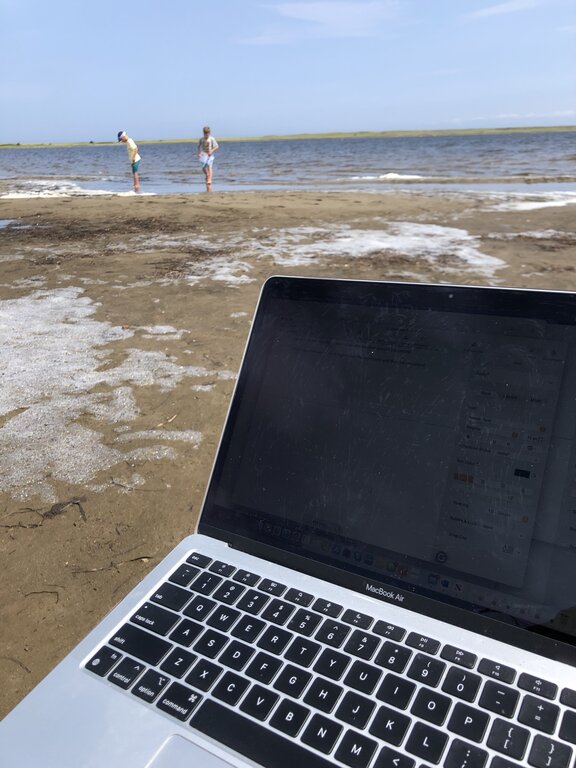
Travel blogging often gets romanticized. You know what I mean, working from a beach, snapping photos, writing when inspiration strikes. And while that does happen once in a while, the reality in 2026 looks a lot different.
These days, it’s less about spontaneity and more about strategy.. Search traffic can be unpredictable. Social platforms shift constantly. And what worked a few years ago might not work now.
Growing a blog now means thinking about SEO, user experience, content clusters, affiliate funnels, email lists, and site speed — not just writing whatever you feel like. You also need to keep updating your content, follow what your audience actually needs, and balance creativity with structure.
It’s not impossible. But it is work.
If you’re looking for an easy, passive-income setup, travel blogging probably isn’t it. But if you’re okay with playing the long game, experimenting with different income streams, and learning as you go, it’s still worth showing up.
My Experience With Travel Blogging
I didn’t start a travel blog because I wanted free trips or a way to quit my job.
I started because I loved travelling with my kids and wanted to share the places we’d discovered with other families. At the time, it was simply a creative outlet that fit around teaching and family life.
Over time, it grew into something much bigger.
As my traffic increased, I started earning money through display ads and affiliate marketing. Seeing that first bit of income was exciting, not because it was life-changing, but because it proved that something I’d built could actually help support my family.
Then everything changed.
When Google’s Helpful Content Update rolled out, my website lost most of its traffic almost overnight. It was frustrating, discouraging, and honestly made me question whether travel blogging still had a future.
For a while, I wondered if I should keep going.
Instead, I decided to treat it as a chance to learn.
I spent more time understanding SEO, improved the quality of my content, started building an email list, experimented with different income streams, and stopped relying so heavily on Google alone. I also launched additional websites, which gave me more stability and helped me realize how important it is to diversify.
I’m still learning, and I don’t pretend to have everything figured out. But looking back, I’m glad I didn’t quit.
That’s why I feel confident saying that travel blogging is still worth it in 2026. Not because it’s easy, but because it’s still possible to build something meaningful if you’re willing to adapt as the industry changes.

What Travel Blogging Really Looks Like in 2026
Travel blogging often gets romanticized. You know the image: working from a beach, snapping a few photos, writing whenever inspiration strikes, and getting paid to travel.
The reality is a lot different.
These days, travel blogging is less about documenting your trips and more about building a business. The travel is still the fun part, but most of the work happens after you get home.
For me, a typical week includes researching keywords, updating older posts, writing new content, improving affiliate links, sending emails to my subscribers, checking Google Search Console, and figuring out what my audience is searching for next. There’s plenty of writing, but there’s also a lot of strategy behind every article I publish.
That’s because blogging has changed.
Google updates have made quality more important than ever. AI has changed how people search for information. Social media platforms continue to evolve, and relying on just one traffic source isn’t enough anymore.
None of that means travel blogging is dead. It simply means the people who are succeeding today are treating their blogs like businesses instead of hobbies.
It’s not impossible, but it does take patience. If you’re willing to keep learning, adapt when things change, and focus on helping your readers, there’s still plenty of opportunity to build a successful travel blog.
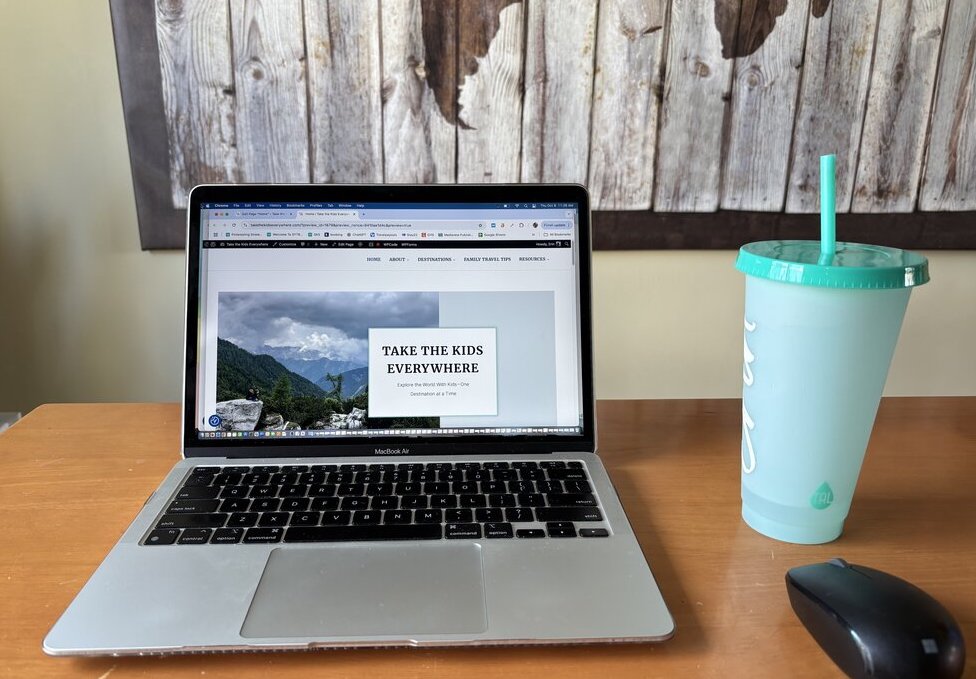
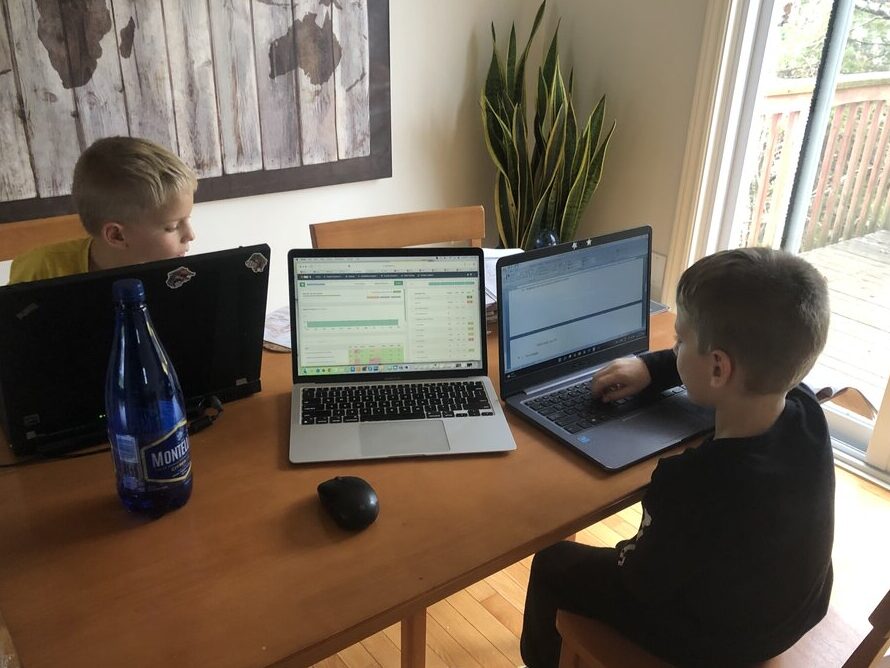
(laptop on the kitchen table, editing photos)
Can You Still Make Money Travel Blogging?
The short answer is yes. But it probably doesn’t look the way most people imagine.
A few years ago, it wasn’t unusual to hear about bloggers making a full-time income from display ads alone. Today, that’s much less common. Search traffic is harder to earn, ad revenue fluctuates, and relying on a single source of income can be risky.
That’s why most successful travel bloggers have multiple income streams.
Display Advertising
For many bloggers, display ads are still one of the biggest sources of passive income. As your traffic grows, you can earn money every time someone visits your website.
The downside is that ads depend on traffic. If your search rankings drop, your ad revenue usually does too.
Affiliate Marketing
Affiliate marketing is one of my favourite ways to monetize a travel blog because it focuses on recommending products and services you already use.
Whether it’s hotels, travel insurance, tours, rental cars, or travel gear, you earn a commission when someone books or buys through your links, at no extra cost to them.
Digital Products
Many bloggers create their own products, such as itineraries, travel planners, printable packing lists, photography presets, or online courses.
To be honest, this is the part of blogging I’m most excited about right now. I’m still growing my own collection of digital products, but I love the idea of creating resources that genuinely help readers while building a more stable business.
Sponsorships and Brand Partnerships
As your audience grows, tourism boards and travel brands may pay you to create content or promote their products.
These opportunities can be a nice bonus, but I wouldn’t build a business that depends entirely on sponsorships since they can be unpredictable.
Services
Some bloggers also earn money through freelance writing, photography, consulting, website audits, itinerary planning, or social media management.
Offering services can provide income while you’re growing your website and waiting for traffic to increase.
Has Google Killed Travel Blogging?
If you’ve spent any time in blogging Facebook groups, you’ve probably seen people say that travel blogging is dead.
I don’t believe that’s true.
What I do think is that easy travel blogging is gone.
There was a time when you could publish a handful of list posts, rank in Google, and earn decent ad revenue without putting much thought into your overall strategy. Those days are largely behind us.
Google’s Helpful Content Update made it clear that simply publishing more content isn’t enough. Today, Google is looking for websites that demonstrate experience, expertise, and authority. It wants to recommend content that genuinely helps readers.
More recently, AI Overviews have changed the way people search. Some questions are answered directly in Google’s search results, which means fewer people click through to websites for simple answers.
At first, that can sound discouraging.
But I actually think it reinforces something that’s always been true: the best blogs offer something AI can’t.
Your own experiences.
Your photos.
Your recommendations.
Your mistakes.
Your stories.
Those are the things that help readers trust you.
It’s also why I think diversification is more important than ever. Relying entirely on Google traffic isn’t a strategy I’d recommend today. Building an email list, using Pinterest or social media, creating digital products, and developing multiple income streams all help create a business that’s much more resilient when search changes again.
Google hasn’t killed travel blogging.
It’s simply raised the standard.
What About AI?
It’s impossible to talk about blogging in 2026 without talking about AI.
If you’re wondering whether AI is replacing travel bloggers, I don’t think that’s happening. But I do think it’s changing how we work.
Personally, I use AI almost every day. It helps me brainstorm ideas, organize articles, improve headlines, edit awkward sentences, and speed up parts of the writing process.
What it doesn’t do is replace my experience.
AI didn’t hike to Múlagljúfur Canyon, compare the best places to stay in Prague, or help me decide whether Amsterdam was worth visiting. Those recommendations come from actually travelling, making mistakes, changing plans, and seeing those places for myself.
Those experiences are what make my content different.
I think the bloggers who will do well over the next few years won’t be the ones who ignore AI, and they won’t be the ones who let AI do everything either. They’ll be the ones who use it as a tool while continuing to create content that’s based on real travel, genuine experience, and helping readers make better decisions.
That’s how I see AI now: not as a replacement for travel bloggers, but as another tool that helps me spend less time staring at a blank page and more time creating useful content.
Why You Can’t Rely on Blogging Alone Anymore
If there’s one lesson I’ve learned over the past few years, it’s this: don’t build your business around one traffic source, one income stream, or even one website.
Google rankings change. Pinterest algorithms shift. Affiliate programs close. Ad revenue goes up and down.
If everything depends on one platform, every update feels stressful.
That’s why diversification has become such a big focus for me. Today, I earn income from multiple websites, use several affiliate programs, and I’m building digital products that I completely own and control. I’m also putting more effort into growing my email list instead of relying entirely on search traffic.
You don’t have to do everything at once. But if you’re starting a travel blog today, I’d encourage you to think beyond your next blog post and start building a business that’s resilient enough to handle change.
Why I Still Love Travel Blogging
Travel blogging isn’t just about making money, at least not for me.
Yes, I want it to be a successful business. But if income was the only reason I was doing it, I probably would have quit after losing so much traffic.
The truth is, I genuinely enjoy the work.
I love researching destinations, planning trips, writing articles, and knowing that something I’ve published might help another family have a better vacation. I enjoy learning new skills, solving problems, and watching my websites slowly grow over time.
Some days are frustrating. Traffic drops. Technology breaks. Google rolls out another update.
But I still find myself excited to open my laptop each morning.
That tells me I’m building something that’s about more than pageviews or income.
For me, that’s what makes travel blogging worth it.
Who Should (and Shouldn’t) Start a Travel Blog?
Travel blogging isn’t for everyone, and that’s okay.
If you’re thinking about starting a blog, I’d encourage you to be honest about what you’re hoping to get out of it.
Travel blogging might be a good fit if you…
- Enjoy writing and sharing your experiences.
- Love helping other people plan their trips.
- Are willing to learn skills like SEO, email marketing, and affiliate marketing.
- Don’t mind playing the long game instead of expecting overnight success.
- Like building something that grows over time.
- Are adaptable and willing to change your strategy when the industry changes.
Travel blogging probably isn’t the right fit if you…
- Want to make passive income as quickly as possible.
- Hate writing or creating content.
- Only want free trips or brand deals.
- Aren’t interested in learning new skills.
- Expect to publish a few posts and immediately earn money.
The truth is, most successful travel bloggers aren’t the ones who got lucky. They’re the ones who kept showing up, continued learning, and adapted as blogging changed.
If that sounds like you, I still think travel blogging is absolutely worth considering.
If I Were Starting a Travel Blog Today
If I had to start from scratch in 2026, knowing everything I know now, I’d do a few things differently.
1. Choose one clear niche
Instead of writing about every trip I ever took, I’d focus on one audience and become known for helping them. The more specific you are, the easier it is to build trust and attract the right readers.
2. Learn SEO from the beginning
I spent years learning SEO through trial and error. If I were starting again, I’d make it a priority much earlier. Understanding what people are searching for, and creating genuinely helpful content around those topics, can save years of frustration.
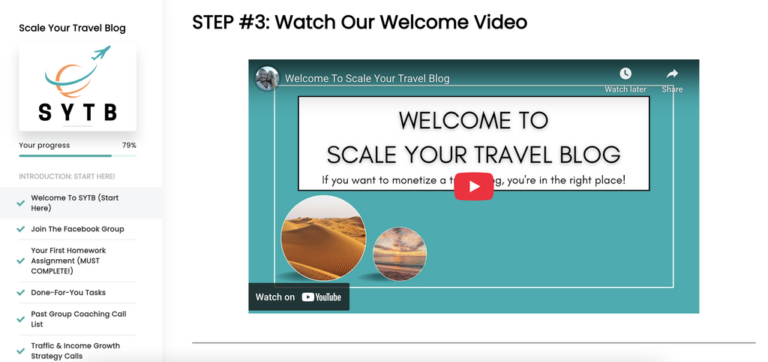
One of the biggest things that helped me was learning from bloggers who had already figured it out. If you’re looking for a structured approach to SEO and growing a travel blog, you can read my honest review of the Scale Your Travel Blog course.
3. Start building an email list immediately
If I could go back and change one thing, it would be this.
I waited far too long to start collecting email subscribers. An email list gives you a way to stay connected with your readers, no matter what happens with Google or social media.
4. Think beyond ad revenue
Ads are great, but I wouldn’t build an entire business around them.
I’d start experimenting with affiliate marketing and digital products much earlier so I wasn’t relying on a single income stream.
5. Invest in learning sooner
Looking back, one of the best investments I’ve made wasn’t a camera or a new laptop. It was learning from people who had already built successful blogging businesses.
For me, that meant shifting from thinking like a blogger to thinking like a business owner. That mindset completely changed how I approached my websites, income streams, and long-term goals.
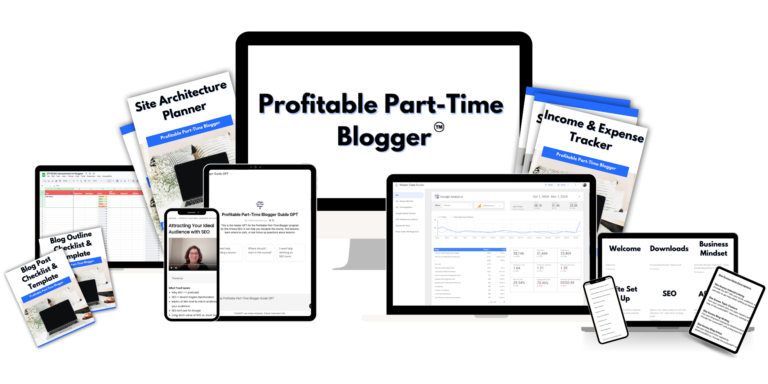
If you’re curious about the program that helped me make that shift, I share everything in my Profitable Part-Time Blogger review.
6. Be patient
This might be the hardest lesson of all.
Travel blogging takes time. Most successful blogs aren’t built in a few months. They’re built through hundreds of small improvements, consistent publishing, and a willingness to keep going even when growth feels slow.
If you’re prepared for that, you’ll already have an advantage over many people who give up too soon.
Final Thoughts: Is Travel Blogging Still Worth It in 2026?
If you’ve made it this far, you probably already know my answer.
Yes, I still think travel blogging is worth it.
Not because it’s easy. Not because it’s a fast way to make money. And definitely not because it’s the same industry it was five or ten years ago.
It’s worth it because it gives you the opportunity to build something that’s yours.
A blog can create flexibility, open doors to opportunities you never expected, and become a business that grows alongside you. But it takes patience, consistency, and a willingness to keep learning as the industry changes.
If I had to start all over again today, knowing everything I know now, I’d still choose travel blogging.
I’d simply do it differently.
If you’re thinking about starting a travel blog, I hope this article has given you a realistic picture of what the journey looks like today. It’s challenging, but it’s also incredibly rewarding.
And for me, that’s what makes it worth it.
Ready to Start (or Grow) Your Blog?
If you’re ready to start your own blog, my guide to How to Become a Travel Blogger walks you through the process step by step.
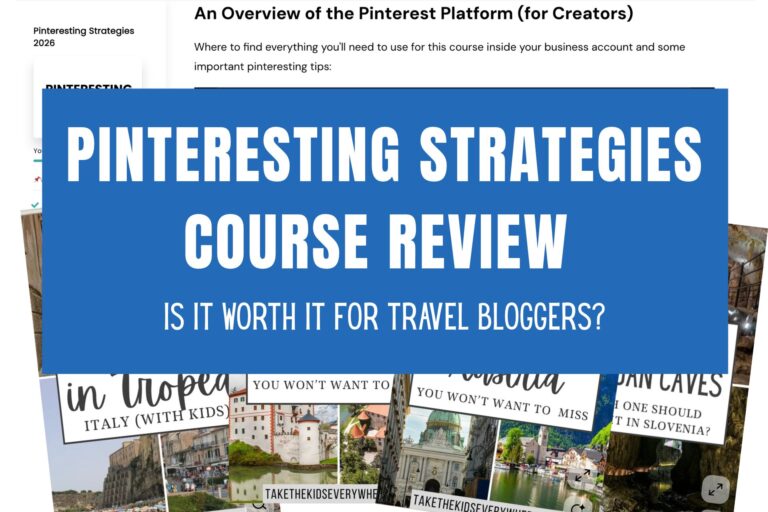
Already blogging? Read my honest Scale Your Travel Blog review to learn how I improved my SEO and content strategy, or check out my Profitable Part-Time Blogger review if you’re interested in building a more profitable blogging business with multiple income streams.
And if you need a little encouragement on the tougher days, these are the mindset books every blogger should read. They’ve had a huge impact on how I approach blogging and business.