
Driving in Slovenia: What to Know Before Renting a Car
Driving in Slovenia was much easier than I expected. After exploring the country by car, I’d say renting a car is one of the best ways to see more than just Ljubljana and Lake Bled.
We drove throughout Slovenia, including Ljubljana, Lake Bled, Lake Bohinj, the Vršič Pass, the Soča Valley, and Piran before continuing on to Croatia. Before arriving, I was a little nervous about driving in a new country, but it ended up being much easier than I expected. The highways were easy to follow, parking was never an issue for us, and even the vignette system was simpler than I’d anticipated.
That said, driving in Slovenia isn’t exactly the same as driving in Canada. Once you leave the main highways and tourist areas, you’ll find narrower roads, smaller villages, and roads that sometimes feel a little tighter than what you’re used to at home.
In this guide, I’ll share what it’s really like to drive in Slovenia, whether you need a rental car, what to know about tolls and parking, and a few things I wish I’d known before getting behind the wheel.
Slovenia Driving at a Glance
🚗 Drive on the right side of the road
🛣️ Highway speed limit: 130 km/h
📍 Vignette required on motorways and expressways
🪪 International Driving Permit required for many countries
❄️ Winter tires required during winter conditions
💡 Headlights required at all times
🚨 Emergency number: 112
Is Driving in Slovenia Easy?
Yes. Before visiting Slovenia, I wasn’t sure whether driving would feel intimidating, especially outside the larger cities. In reality, it ended up being one of the easiest countries I’ve driven in. The highways were straightforward, most attractions had nearby parking, and it was easy to get from one destination to the next.
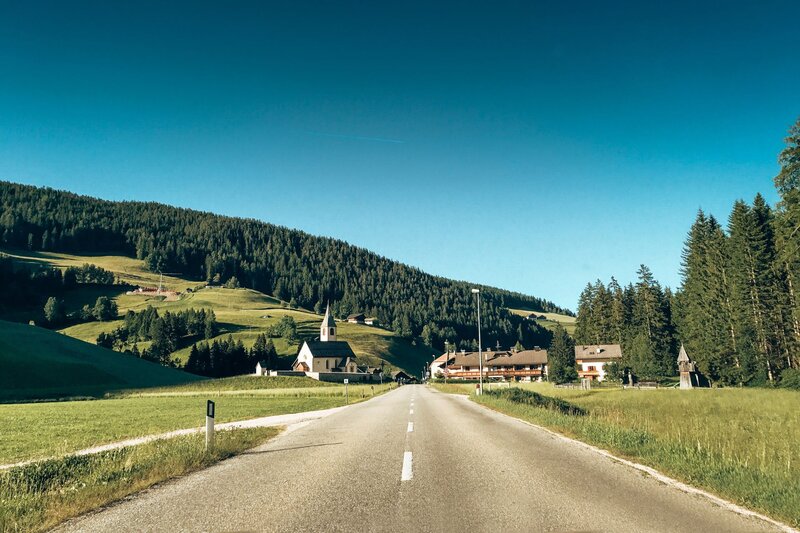
That said, driving in Slovenia can feel quite different once you leave the main roads. In smaller villages and rural areas, roads are often narrower than what many North Americans are used to, and some roads don’t have a centre line. We occasionally found ourselves slowing down more than expected on local roads, particularly in mountain areas and smaller towns.
One thing that surprised me was how quickly you can travel between destinations. Slovenia is a relatively small country, so many of the places visitors want to see are only one or two hours apart. It made road-tripping much easier than I expected and allowed us to see a lot without spending hours in the car each day.
Overall, I’d have no hesitation renting a car in Slovenia again. If you’re comfortable driving at home, you’ll likely find driving in Slovenia to be fine as long as you’re prepared for some narrower roads outside the main tourist areas. Of all the European countries I’ve driven in, I found Slovenia to be one of the easiest.
Planning a Slovenia road trip?
Renting a car is the easiest way to explore beyond Ljubljana and Lake Bled. We used our rental car to visit places like Lake Bohinj, the Soča Valley, and the Vršič Pass, and I can’t imagine seeing as much of the country without one.
Our pick: Discover Cars makes it easy to compare prices from multiple rental companies in one place.
Our Experience Driving in Slovenia
By the time we arrived in Slovenia, we’d already been driving for several days after picking up our rental car in Frankfurt. We’d spent time on Germany’s Autobahn and driven through Austria’s mountain tunnels and alpine roads, so I had a few other European driving experiences to compare it to.
We drove throughout the country, including Ljubljana, Lake Bled, Lake Bohinj, the Soča Valley, the Vršič Pass, and Piran before continuing on to Croatia. The highways were easy to navigate, signs were clear, and most of the major attractions we visited had convenient parking nearby. Even the vignette system turned out to be much simpler than I had expected.
The biggest adjustment was on some of the smaller local roads, which felt narrower than what I’m used to in Canada. It wasn’t difficult, but I found myself slowing down more than I normally would in some villages and rural areas.
One thing that surprised me was how quickly you can get from place to place. Slovenia may be small, but it packs a lot into a relatively short distance. We were able to visit lakes, mountains, caves, and coastal towns without spending hours in the car each day.
Looking back, I wouldn’t hesitate to rent a car again. While public transportation can get you to some of Slovenia’s most popular destinations, having a car gave us the flexibility to explore at our own pace and visit places that would have been much harder to reach otherwise.

Do You Need a Car in Slovenia?
No, you don’t necessarily need a car in Slovenia. It’s possible to visit places like Ljubljana and Lake Bled using public transportation, and buses connect many of the country’s most popular destinations.
That said, if you want to explore beyond the main tourist route, I’d strongly recommend renting a car. Some of my favourite places in Slovenia, like Lake Bohinj, the Soča Valley, and the Vršič Pass, are much easier to visit with your own vehicle.
Having a car also gives you the flexibility to stop at viewpoints, explore smaller villages, and travel on your own schedule rather than planning your days around bus and train timetables.
When You Should Rent a Car in Slovenia
Consider renting a car if you:
- Want to visit Lake Bohinj, the Soča Valley, or the Vršič Pass
- Are planning a Slovenia road trip
- Want flexibility to stop at viewpoints and attractions along the way
- Are travelling as a family and don’t want to manage luggage on public transportation
- Plan to visit multiple regions during your trip
Planning to rent a car in Slovenia?
We booked our rental car through Discover Cars and found it an easy way to compare prices from multiple rental companies before our trip. If you’re travelling during summer, it’s worth booking early as availability can be limited.
When You Can Skip the Car
You may not need a rental car if you:
- Are staying primarily in Ljubljana
- Only plan to visit Ljubljana and Lake Bled
- Prefer using public transportation
- Are visiting for a short city break
Can You Visit Slovenia Without a Car?
Yes, but you’ll likely see less of the country.
Public transportation in Slovenia is affordable and generally reliable, particularly between larger destinations. If your itinerary is limited to Ljubljana, Lake Bled, and a few nearby attractions, you can get around without renting a car.
Before visiting, I debated skipping the rental car entirely because Slovenia is small and buses connect many popular destinations. After spending time at Lake Bohinj and driving the Vršič Pass, I’m glad we didn’t. Those ended up being some of my favourite experiences in Slovenia, and both would have been much harder to fit into our itinerary without a car.

Renting a Car in Slovenia
If you’ve decided to rent a car in Slovenia, there’s not much you need to worry about. Most travellers either pick up a vehicle at Ljubljana Airport or rent one after spending a few days exploring the city.
If you’re planning to spend time in Ljubljana first, it may make sense to wait until you’re ready to explore the rest of the country before picking up your rental car. The city is compact and walkable, and you won’t need a car while sightseeing.
You don’t need a large vehicle for Slovenia. In fact, some of the narrower roads and tighter parking areas can make a smaller car easier to manage.
What Type of Car Should You Rent?
We had a standard sedan and it was perfectly fine for every road we drove, including the Vršič Pass. Looking back, I probably wouldn’t want anything larger because some roads near Lake Bohinj felt surprisingly narrow.
Automatic vs Manual Cars
Manual vehicles are still common in Europe and are often less expensive to rent. If you’re only comfortable driving an automatic, be sure to book one in advance, especially during the busy summer season.
Crossing Borders with a Rental Car
If you’re planning to visit neighbouring countries during your trip, check with your rental company before booking. Some companies charge additional fees or require advance notice for cross-border travel.
Many travellers combine Slovenia with destinations such as Croatia, Austria, or Italy, so it’s worth confirming the rules before you arrive.
We drove through several countries on our trip, including crossing from Slovenia into Croatia. Our rental company simply needed to know ahead of time which countries we planned to visit.
Understanding Slovenia’s Toll Roads and Vignette System
Before our trip, the vignette system was one of the things I was most confused about. I’d read about it online and assumed it would be complicated, but it turned out to be much simpler than I expected.
If you plan to drive on Slovenia’s major highways, you’ll need a vignette. Unlike traditional toll roads where you stop and pay along the way, Slovenia uses an electronic vignette system that allows you to drive on eligible roads for a set period of time.
We actually crossed into Slovenia without one because I assumed it would work like Austria, where you can often buy a vignette near the border. We spent our first night in Lake Bohinj, and when I mentioned it to the hotel owner, she explained that we didn’t need one yet because we’d only been using local roads. We only needed to purchase a vignette before driving on the larger highway between the Lake Bled area and Ljubljana.
Chances are, you will still need a vignette at some point during your trip. If you’re driving between Ljubljana and Lake Bled, heading to Postojna Cave, or exploring multiple regions of the country, you’ll likely use Slovenia’s motorways and expressways.
For those roads, you’ll need an electronic vignette linked to your licence plate before you begin driving.
What Is a Slovenia Vignette?
A vignette is essentially a road-use permit that allows you to drive on Slovenia’s motorways and expressways.
Today, Slovenia uses an electronic vignette rather than the windshield stickers that were used in the past. The vignette is linked to your vehicle’s licence plate and can be purchased online before your trip. You can get your vignette here.
Do Rental Cars Include the Vignette?
Sometimes.
If you’re renting a car in Slovenia, check with your rental company to see whether the vignette is already included. Many rental vehicles already have one, but it’s always worth confirming before you leave the rental office.
Because we rented our car outside Slovenia, we needed to make sure we had the correct vignette before driving into the country.
How Much Does a Slovenia Vignette Cost?
Prices vary depending on the type of vehicle and the length of validity you choose. Most travellers will only need a short-term vignette for a typical road trip.
It’s worth checking the current rates before your trip, as prices can change.
What Happens If You Don’t Have a Vignette?
Driving on Slovenia’s motorways without a valid vignette can result in significant fines.
If you’re renting a car, this is usually one of the first things to confirm before setting off. Fortunately, purchasing a vignette is quick and easy once you know what you’re looking for.
What Are the Roads Like in Slovenia?
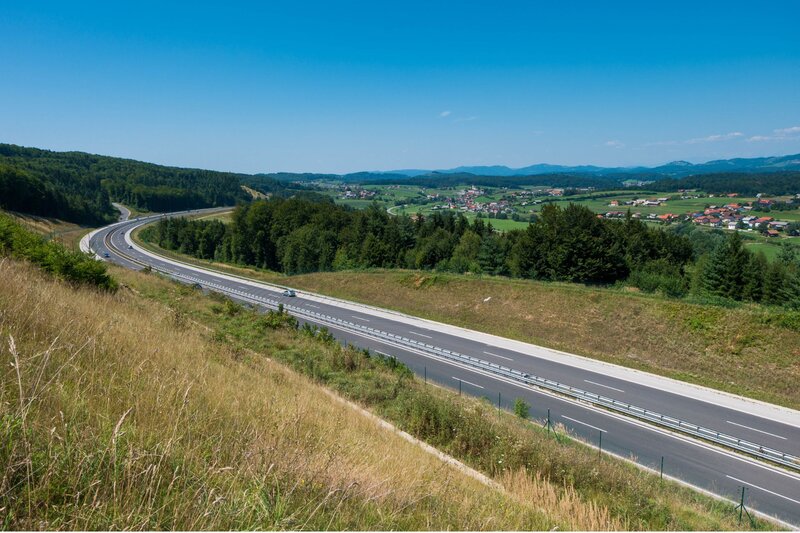
Overall, I found the roads in Slovenia easy to drive on. The highways were straightforward and easy to navigate, but some of the smaller local roads were narrower than what I’m used to in Canada.
If you’re driving between places like Ljubljana, Lake Bled, Postojna Cave, or Piran, you’ll likely spend at least some time on the motorway. These roads were well signed and made it easy to get around the country.
The biggest adjustment came once we left the highways. Some local roads were quite narrow, and in a few places there wasn’t even a centre line. The only time I remember feeling surprised was on a road near Lake Bohinj that felt more like a laneway than a road. Another car appeared around a corner right down the middle, and we both slowed down and squeezed past each other without any issue.
Despite a few narrow roads, I never found driving in Slovenia stressful. Distances between destinations are relatively short, and we were able to explore a lot of the country without spending hours in the car each day.
Mountain Roads in Slovenia
If you’re planning to visit places like the Soča Valley or drive the Vršič Pass, expect winding roads, sharp turns, and plenty of mountain scenery.
While mountain driving always requires a bit more attention, I never found the roads particularly intimidating. We had already driven through Austria before arriving in Slovenia, and I actually found many of Slovenia’s mountain roads less stressful than I expected.
That said, it’s worth allowing extra time for mountain drives. You’ll likely be travelling more slowly than you would on the highway, and you’ll probably want to stop for photos along the way.
Driving the Vršič Pass
One of the most memorable drives in Slovenia is the Vršič Pass, a mountain road that winds through the Julian Alps with 50 hairpin turns and incredible views along the way.
Despite its reputation, I found it much less intimidating than I expected. The road is narrow in places and you’ll need to take your time, but traffic moves slowly and there are plenty of opportunities to pull over and enjoy the scenery.
For me, driving the Vršič Pass was one of the highlights of our Slovenia road trip and something I’d happily do again.

Parking in Slovenia
Parking is usually something I’m nervous about when driving in a new country, especially in cities, but honestly, it was never an issue for us. We rarely drove into city centres. Instead, we parked outside the historic areas and walked in, which made things much easier and we didn’t have any trouble finding spots to park near popular attractions, like Lake Bled, Postojna and Piran.
Parking in Ljubljana
When we visited Ljubljana, we parked outside the city centre and walked in. Since much of the old town is pedestrian-friendly anyway, this worked well and saved us from having to navigate narrower streets in the historic centre.
If you’re staying overnight, it’s worth checking whether your accommodation offers parking. Much of the old town is pedestrian-only, so staying just outside the city centre can make parking much easier while still leaving you within walking distance of the main sights. I share a few good options in my guide on where to stay in Ljubljana.
Parking at Popular Attractions
Parking was one of the things I worried about most before our trip because we’d be visiting in summer. In reality, we never struggled to find parking. The easiest was Postojna Cave, where the lot is directly beside the entrance. The biggest surprise was Piran, where parking outside the old town ended up being much simpler than I’d expected.
Paying for Parking
I don’t remember needing cash for parking anywhere during our trip. We used cards for parking lots, including at Postojna Cave, and didn’t run into any issues.
As with anywhere, it’s worth checking the payment instructions when you arrive, but parking was one of the easiest parts of driving in Slovenia.
Things That Surprised Me About Driving in Slovenia
A few things about driving in Slovenia caught me off guard, although most of them were pleasant surprises.
Distances Are Short
One of the things I loved most about road-tripping through Slovenia was how easy it was to get from place to place. The country is relatively small, and many of the destinations visitors want to see are only an hour or two apart.
We were able to visit lakes, mountains, caves, and coastal towns without spending entire days in the car.
Getting a Vignette Was Easier Than I Expected
Before our trip, I assumed getting a vignette would be confusing, especially since we were driving into Slovenia from another country. In reality, it was quick and easy to buy online once we knew we needed one.
Most travellers will need a vignette at some point during their trip, especially if they’re driving between places like Ljubljana, Lake Bled, and Postojna Cave. Fortunately, it’s one of those things that sounds more complicated than it actually is.
Driving Was Less Stressful Than I Expected
Before visiting Slovenia, I wasn’t sure how I’d feel about driving in another European country.
In the end, it turned out to be one of the easiest places I’ve driven in Europe. Between the short distances, clear signage, and easy access to many of the country’s top sights, renting a car ended up being one of the best decisions we made.
You Can See a Lot Without Spending Hours in the Car
Before visiting Slovenia, I assumed we’d spend much more time driving between destinations. Instead, we were able to visit mountain lakes, caves, coastal towns, and alpine viewpoints without any particularly long driving days.
One day we’d be exploring Lake Bohinj and the next we’d be wandering around Piran on the coast. Slovenia packs a surprising amount into a relatively small area, which makes it ideal for a road trip.

Slovenia Road Trip Itinerary Ideas
One of the things I loved about Slovenia is how easy it is to explore multiple regions in a relatively short amount of time. The country is compact enough that you can see a lot without spending hours driving every day.
5 Day Slovenia Road Trip
If you’re short on time, focus on some of Slovenia’s most popular highlights:
- Ljubljana
- Lake Bled
- Lake Bohinj
- Vršič Pass
- Soča Valley
This route combines cities, mountains, lakes, and some of the country’s most scenic drives.
But, if I only had 5 days in Slovenia, I’d prioritize Lake Bohinj over adding extra time in Ljubljana. Bohinj ended up being one of my favourite places in the country and felt much less crowded than Lake Bled.
7 – 10 Day Slovenia Road Trip
With a little more time, you can add a few more destinations and experience a wider variety of landscapes:
- Ljubljana
- Lake Bled
- Lake Bohinj
- Vršič Pass
- Soča Valley
- Postojna Cave or Škocjan Caves
- Piran
This route takes you from the Julian Alps to Slovenia’s small stretch of Adriatic coastline while including some of the country’s most famous attractions.
Looking for a Complete Itinerary?
If you’re planning a longer trip, check out my 10-Day Slovenia Itinerary, which includes suggested routes, where to stay, and tips for getting around the country.
FAQ
No, I found driving in Slovenia much easier than I expected. The highways are easy to navigate, distances between destinations are relatively short, and most major attractions have nearby parking. The only challenge for some visitors may be the narrower local roads in smaller towns and rural areas.
If you’re travelling from Canada, you’ll need an International Driving Permit (IDP) along with your valid driver’s licence when driving in Slovenia. Requirements may differ for travellers from other countries, so it’s worth checking the rules before your trip.
As a Canadian, I made sure to get an IDP before travelling (CAA is a good spot to get one). Nobody ever asked to see it during our trip, but it’s inexpensive, easy to obtain, and worth having with you just in case.
In my experience, yes. Parking was something I was worried about before our trip, but it was never really an issue. We found parking easily in Ljubljana, Lake Bohinj, Postojna, and Piran.
Yes. I never felt unsafe driving anywhere in Slovenia. As with any destination, mountain roads require a little extra attention, but overall I found driving to be easy and comfortable.
Yes. Driving from Ljubljana to Lake Bled is easy and takes about 40 minutes. It’s one of the most popular road trips in Slovenia and a route many visitors drive during their visit.
It can look intimidating in photos because of the hairpin turns, but I found it much less stressful than I expected. Traffic moves slowly, there are plenty of places to stop, and most drivers who are comfortable driving on mountain roads should have no problem.
No, but I highly recommend renting one if you want to explore beyond Ljubljana and Lake Bled. Having a car makes it much easier to visit places like Lake Bohinj, the Soča Valley, and the Vršič Pass.
Absolutely. Renting a car gave us the flexibility to explore more of the country at our own pace, visit smaller towns, and stop at viewpoints and attractions along the way. It ended up being one of the best decisions we made during our trip.
Our Take on Driving in Slovenia
If you’re planning to explore beyond Ljubljana, I’d absolutely recommend renting a car in Slovenia.
Before our trip, I wasn’t sure what to expect. Between driving in a new country, figuring out the vignette system, and navigating mountain roads, it felt like there were a lot of unknowns. In reality, driving in Slovenia turned out to be much easier than I expected.
Having a car gave us the freedom to visit places like Lake Bohinj, the Soča Valley, the Vršič Pass, and Piran on our own schedule. It also made it easy to stop at viewpoints, explore smaller towns, and see parts of the country that would have been difficult to reach using public transportation alone.
For me, renting a car ended up being one of the best decisions we made in Slovenia, and it’s something I’d happily do again on a future trip.
Planning a Slovenia road trip?
Start with this one week Slovenia Itinerary, which covers the route we followed through many of the country’s top destinations. If you’re looking for additional stops, here are some of the best places to visit in Slovenia.If you’re spending time in the capital, this guide to where to stay in Ljubljana can help you choose the right base. Heading toward the Soča Valley? Here’s what to expect when driving the Vršič Pass, one of the most scenic drives in the country.


