Toronto Travel Itinerary: 5 Ways to Spend One Week in Ontario Beyond the City
Trying to plan a one week Toronto trip without spending your whole vacation stuck downtown? You’re not alone.
If your ideal trip includes city sightseeing plus waterfalls, beaches, or cottage-country scenery, this itinerary is for you.
We lived in Hamilton for years, and still return every summer, so we’ve explored Southern Ontario extensively as both locals and visitors, from Toronto’s biggest attractions to hidden gems that make a family trip feel unforgettable.
Honestly, this is how I’d recommend any family spend a week in Ontario.
Start with Toronto’s highlights, then choose from five different directions for the rest of your trip, whether your family prefers iconic sights like Niagara Falls, beach towns and lake days, cottage country escapes, or quieter off-the-beaten-path adventures.
If you’re visiting Toronto for the first time (or trying to decide how long to stay) this itinerary will help you plan a week that goes far beyond the city.
This post contains affiliate links. If you make a purchase through one of these links, we may earn a small commission at no extra cost to you. As always, we only recommend products and experiences we truly believe in.
At a Glance: One Week in the Toronto Area
Days 1–3: Explore Toronto’s top sights
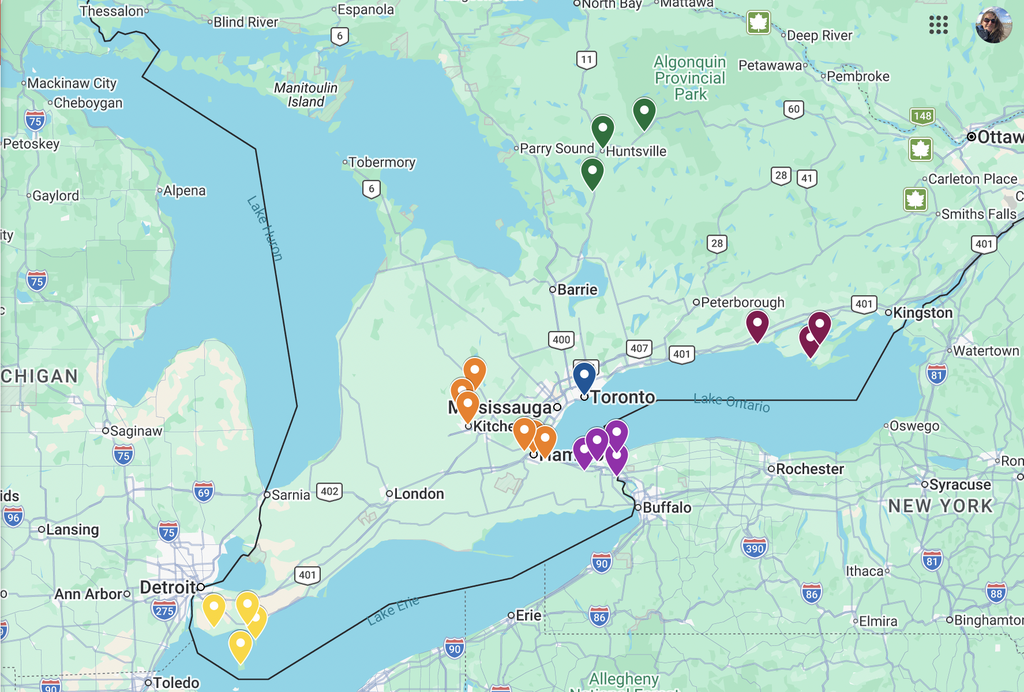
Days 4–7: Head out of the city and follow one of these five easy road-trip itineraries:
Cottage Country & Algonquin Park — lakes, wildlife, and classic Canadian scenery
Niagara Falls & Niagara Region — iconic attractions, pretty towns, and wineries
Hamilton, Waterloo & the Grand River — waterfalls, outdoor activities, and smaller cities
Point Pelee & Southwest Ontario — beaches, marshlands, and Canada’s southernmost point
Prince Edward County — sandy dunes, farm markets, wineries, and relaxed cottage vibes
👉 All of these destinations are within a manageable drive of Toronto and offer a completely different experience from the city.
One Week in Toronto Area: Map of Suggested Options
Days 1–3: Explore Toronto
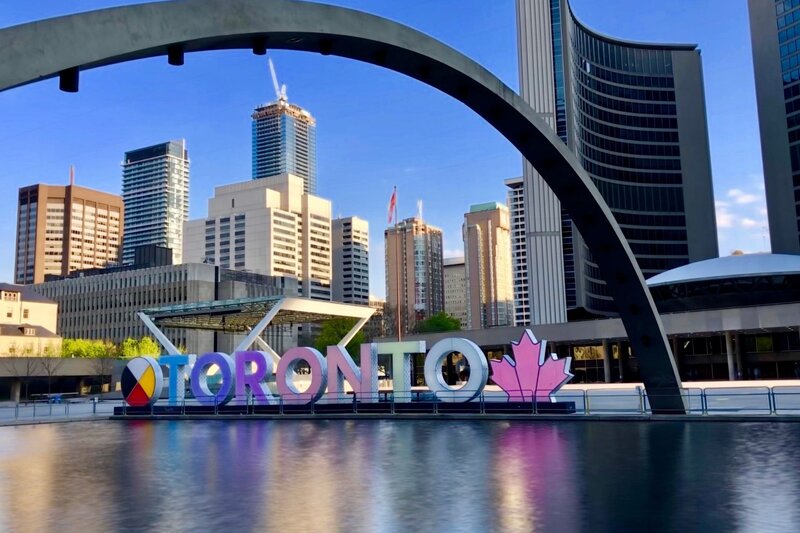
Spending your first few days in Toronto gives you a chance to experience Canada’s largest city before heading out to explore the rest of Ontario. The downtown area is compact enough to sightsee without a car, and many of the city’s biggest attractions are within walking distance or a short transit ride.
Start with the waterfront, where you’ll find some of the city’s most popular family-friendly sights. The CN Tower offers sweeping views over the skyline and Lake Ontario, while Ripley’s Aquarium of Canada is a huge hit with kids. Nearby, the Harbourfront area has parks, walking paths, and boat tours, and ferries run regularly to the Toronto Islands if you want beaches, bike paths, and incredible city views.
Beyond the waterfront, there’s plenty more to fill a couple of days. Visit the Royal Ontario Museum, wander the cobblestone streets of the Distillery Historic District, explore Kensington Market, or let kids burn off energy at High Park. Toronto is well worth exploring, but you can comfortably see the main highlights in a few days, leaving the rest of the week to experience a completely different side of Southern Ontario.
For more details and ideas, our 3-day Toronto itinerary for families will help you make the most of your time before heading out on your road trip.

Days 4–7: Choose Your Ontario Adventure
We’ve taken all of these trips ourselves over the years, and each one offers a completely different experience, from iconic landmarks like Niagara Falls to quieter escapes like cottage country. Each of these options are all within a manageable drive of the city so you can choose whichever one is best for your family’s interests and travel style.
Option 1: Cottage Country & Algonquin Park
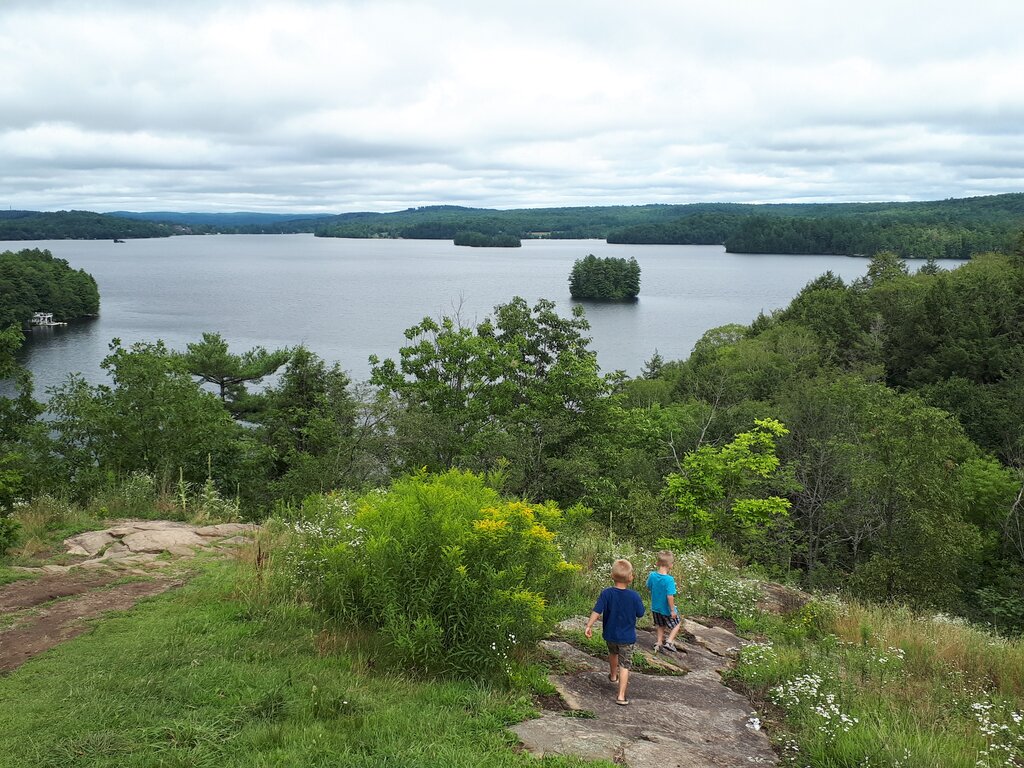
If you’re hoping to experience the Canada of forests, lakes, and wildlife, heading north to Cottage Country and Algonquin Provincial Park is hard to beat. This region offers a completely different atmosphere from Toronto, with beautiful lakes, small towns, and endless opportunities to get outdoors.
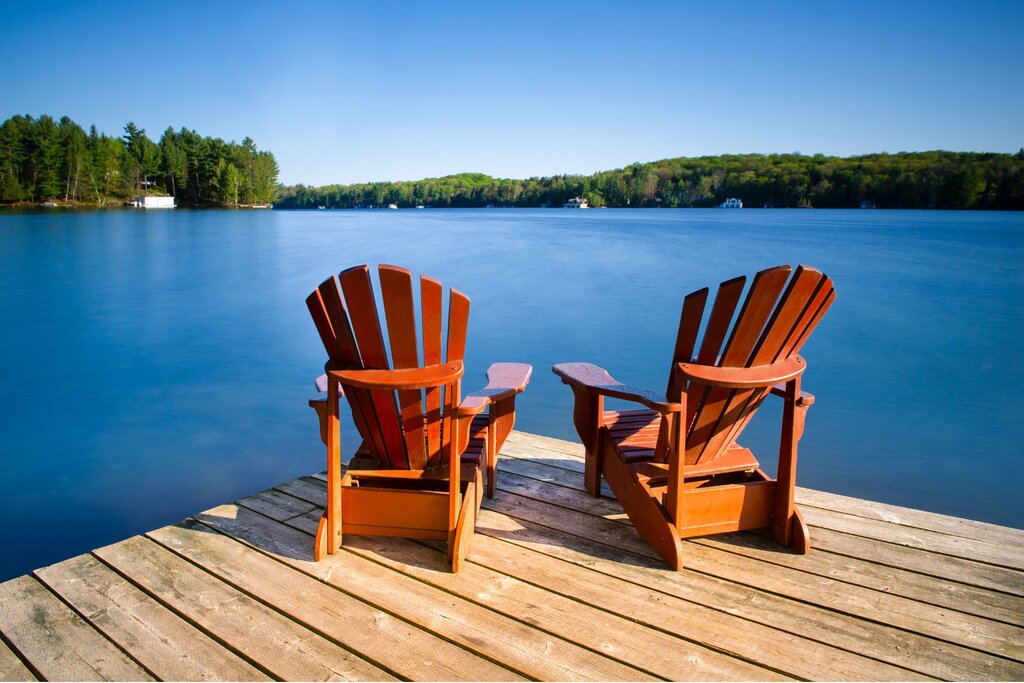
The drive itself is part of the experience, passing through Ontario’s famous “cottage country”, where generations of families spend their summers swimming, boating, and relaxing by the water. Towns like Huntsville, Bracebridge, and Gravenhurst make excellent bases, offering a mix of restaurants, shops, and easy access to outdoor activities.
I grew up spending summers just north of Huntsville and still return most years with my kids, so I’ve done this drive more times than I can count. Our trips usually involve a mix of hiking nearby trails, paddling or fishing on the lake, exploring Huntsville’s waterfront, and chasing waterfalls around Bracebridge. It’s one of those places that feels both adventurous and deeply relaxing at the same time, and honestly one of my favourite places on earth.

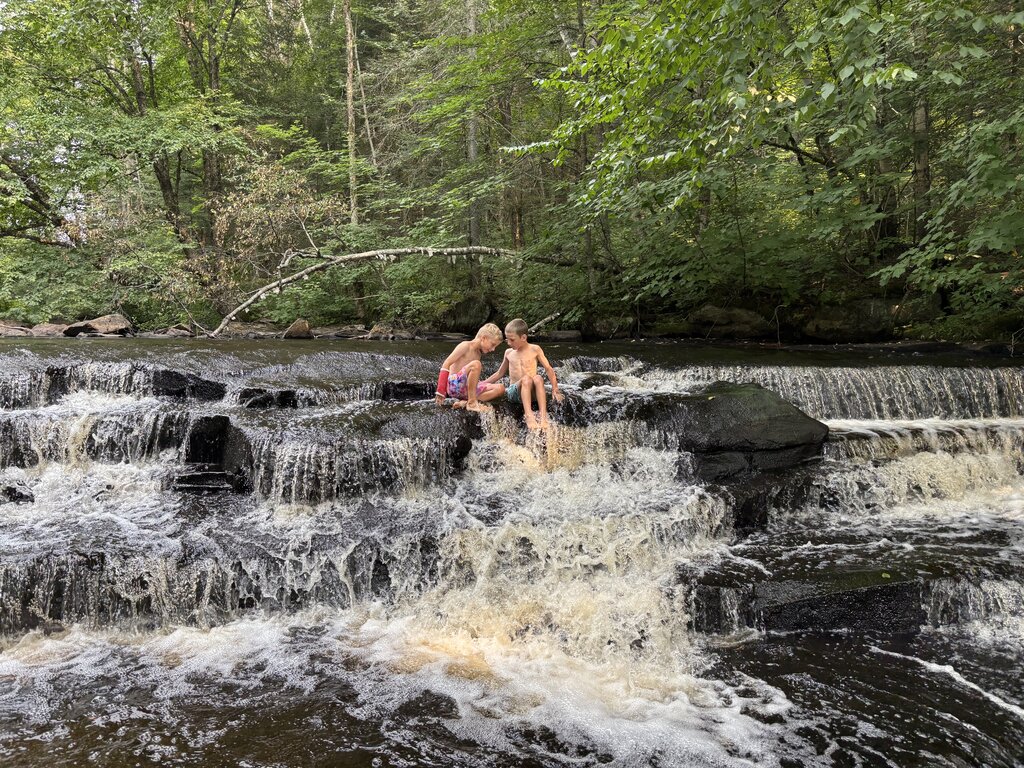
Algonquin Provincial Park is the best-known destination in the region, and you don’t need to be an experienced camper to enjoy it — many visitors stay nearby and explore the park on day trips. Short hiking trails, picnic areas, scenic lookouts, and canoe rentals make it accessible even with younger kids, while wildlife sightings (especially moose) are always a possibility.
But it’s not your only option. Nearby Arrowhead Provincial Park is much closer to Huntsville and great for families, while Limberlost Forest offers some of the best hiking in the area without the crowds.
This is an ideal choice if your family enjoys nature, outdoor activities, or simply slowing down after a busy few days in the city. Even a couple of days here can feel like a true escape.
TKE Tip: Bring insect repellent, especially from late spring through mid-summer — black flies and mosquitoes are part of the Ontario experience. By late July they’re usually much more manageable, but you’ll still want spray for evenings and wooded areas.
Suggested Plan:
- Drive from Toronto to Muskoka (about 2–3 hours)
- Stop in Bracebridge or Gravenhurst to explore the waterfront
- Base yourself in Huntsville or a nearby cottage rental
- Spend at least one full day exploring Algonquin Provincial Park
- Canoe, hike, swim, or relax by the lake
Where to Stay
Huntsville makes one of the easiest and most convenient bases for exploring this region. It has full services, grocery stores, restaurants, and family-friendly accommodation, while still being close to both Algonquin and Arrowhead Provincial Parks.
If you prefer a hotel stay, newer properties like Home2 Suites by Hilton offer modern rooms and amenities, while Deerhurst Resort provides a classic Muskoka experience with lakeside activities and year-round recreation (it’s especially popular in winter for skiing). Another option is to rent a private cottage on one of the area’s lakes, which allows for swimming, paddling, and relaxed evenings by the water. This site is helpful in finding cottages.
Camping inside Algonquin Provincial Park is another option for families who enjoy the outdoors, though reservations are essential during the summer season.
Option 2: Niagara Falls & Niagara Region
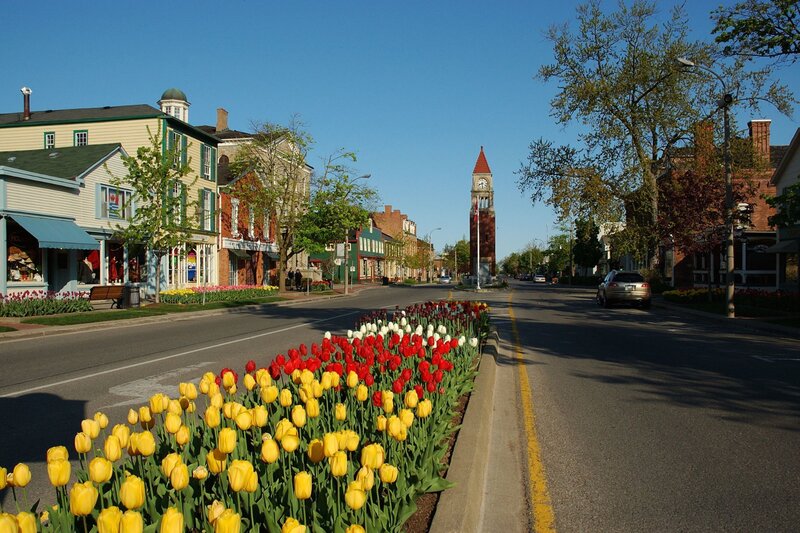
If this is your first time visiting Ontario, Niagara Falls is one of the most famous and unforgettable places you can go. The sheer size and power of the falls are hard to grasp until you see them in person, and there’s plenty of ways to experience them, from boat cruises that take you right into the mist to scenic viewpoints along the Niagara Parkway.
And while the Falls are definitely the highlight, there’s so much more to do than just seeing the Falls. Clifton Hill has a carnival-like atmosphere with attractions, arcades, and rides that many kids love, while the nearby town of Niagara-on-the-Lake feels completely different, with tree-lined streets, historic buildings, and a slower pace. Driving through the region also means passing vineyards, orchards, and quiet countryside.
While Niagara Falls can technically be done as a day trip from Toronto, it makes for a long and often rushed day, especially in summer when traffic can be heavy. Staying for a few nights lets you experience the falls at a quieter pace and gives you time to explore more of the Niagara Region, which has far more to offer than most first-time visitors expect.
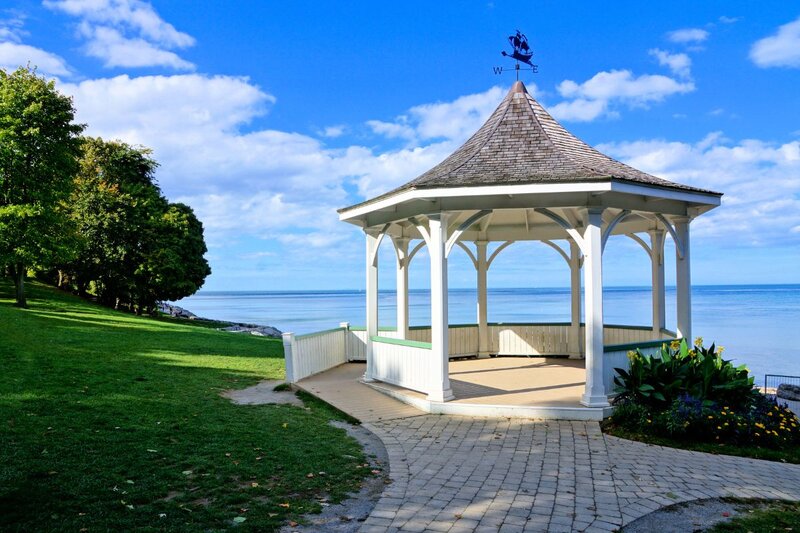
Beyond the main viewpoints, Niagara-on-the-Lake is a destination in its own right, known for its historic downtown, lakefront parks, and relaxed atmosphere. The region also offers scenic hiking trails, smaller waterfalls such as Ball’s Falls, beaches along Lake Ontario, and quiet waterfront spots like Port Dalhousie.
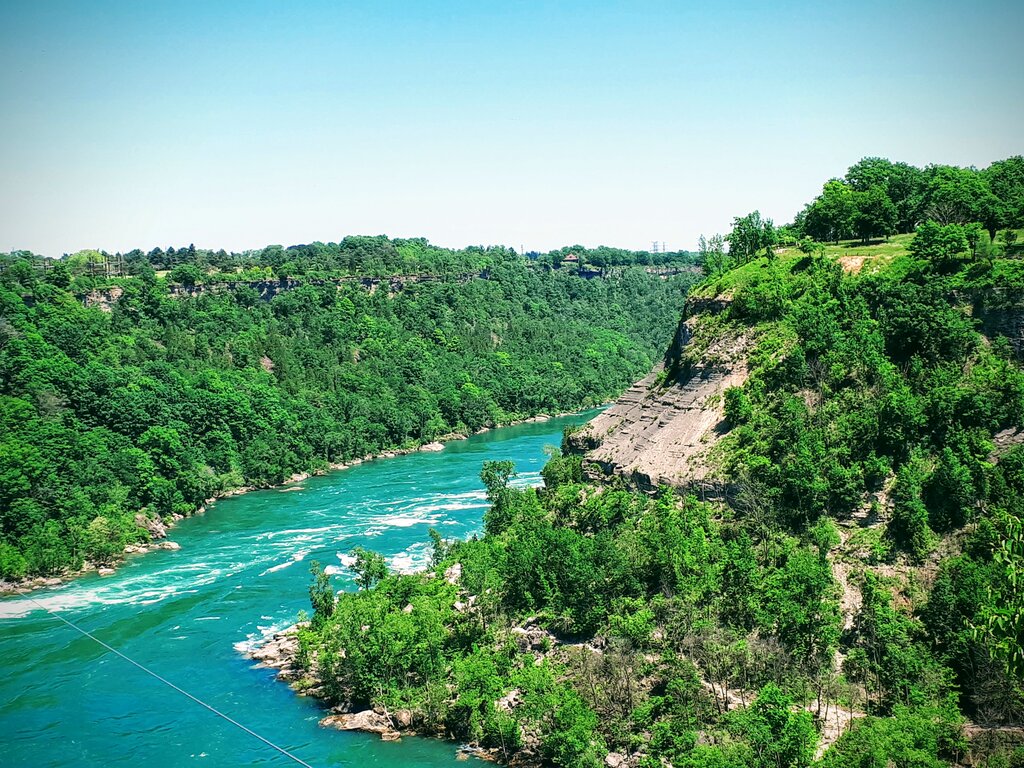
The Niagara Parkway itself is a beautiful drive, with picnic areas, gardens, and viewpoints along the river. You can cycle through vineyard country, stop at farm stands and wineries, or simply enjoy the slower pace between attractions.
Spending a few days here creates a much more balanced experience, part iconic landmark, part relaxed countryside, and is a great way to explore more of the area around Toronto.
Suggested Plan:
- Drive from Toronto to Niagara Falls (about 1.5–2 hours)
- Spend a full day experiencing the falls and main attractions
- Explore Clifton Hill’s rides and entertainment
- Drive the Niagara Parkway toward Niagara-on-the-Lake
- Visit Niagara-on-the-Lake’s historic downtown
- Optional winery stops, cycling, hiking, or lakefront time
Where to Stay
Most families choose to stay in Niagara Falls itself, ideally within walking distance of the falls and Clifton Hill. This makes it easy to access the main attractions without worrying about parking, traffic, or long walks at the end of the day.
Several hotels, like Embassy Suites or Hilton Niagara Falls, offer rooms with direct views of the falls, and you may even be able to see the fireworks from your room.
For a quieter experience, consider staying in nearby Niagara-on-the-Lake. This historic town offers a completely different atmosphere, with tree-lined streets, waterfront parks, and boutique accommodations, while still being a short drive from the falls.
Accommodation in the region ranges from large family-friendly hotels to smaller inns and vacation rentals, so you can choose the style that best fits your trip.
Here’s a more detailed guide on where to stay in Niagara Falls.
Option 3: Hamilton, Waterloo & the Grand River
If your family enjoys being active outdoors but doesn’t necessarily want full wilderness, this route offers a great middle ground. The area west of Toronto sits along the Niagara Escarpment, a long ridge of cliffs and forests that runs across southern Ontario, which creates the dramatic waterfalls and scenic hiking trails the region is known for. Many of these trails connect to the famous Bruce Trail, Canada’s oldest and longest marked footpath.
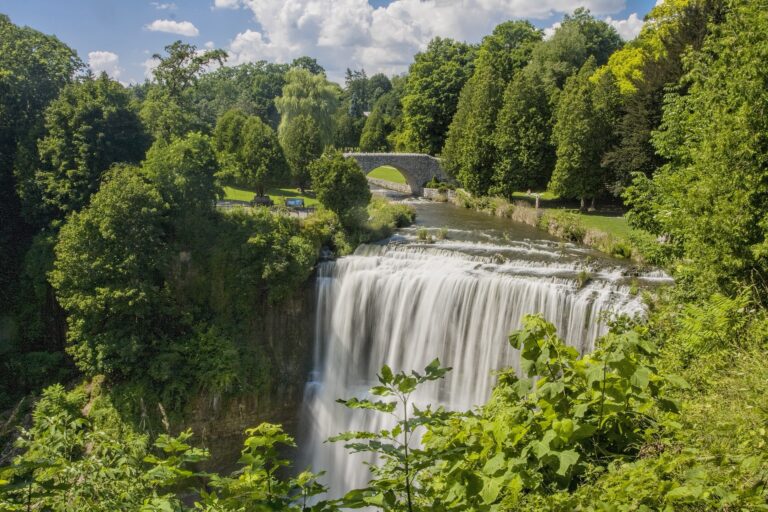
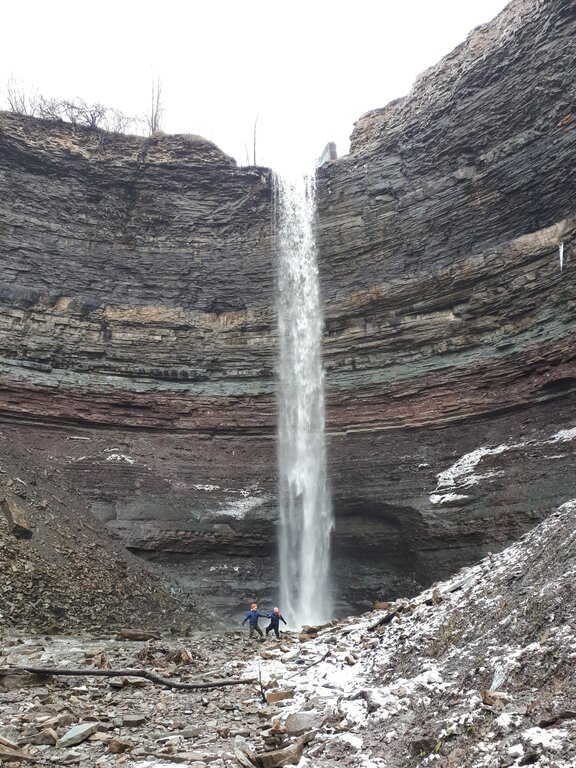
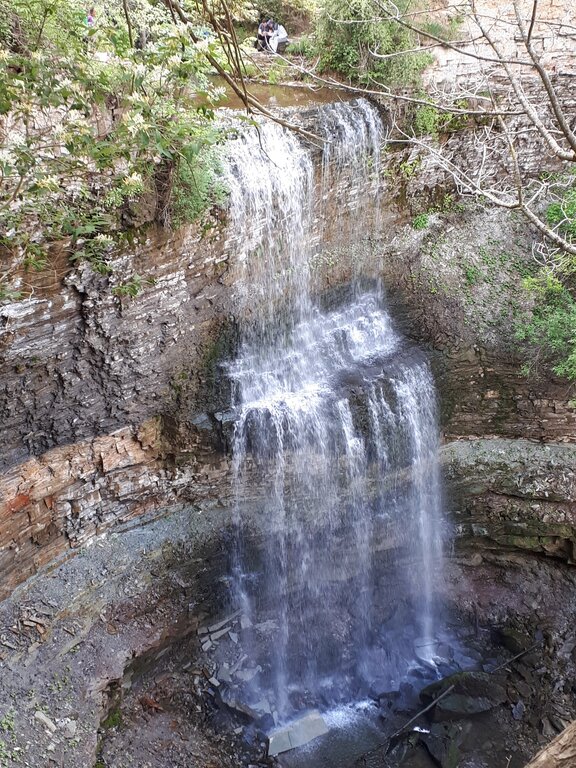
Hamilton is often called the “Waterfall Capital of the World,” with more than 100 waterfalls scattered along the escarpment. While Webster’s Falls and Tews Falls are the most famous, there are many others that are just as impressive. Devil’s Punchbowl offers stunning views as it flows over the escarpment, while Felker’s Falls (our personal favourite) has a short hike that leads right to the falls.
Growing up in Hamilton, I spent countless weekends exploring these trails, and later returned with my kids to hike, picnic, and chase waterfalls — it’s one of the easiest ways to experience nature without travelling far from the city.
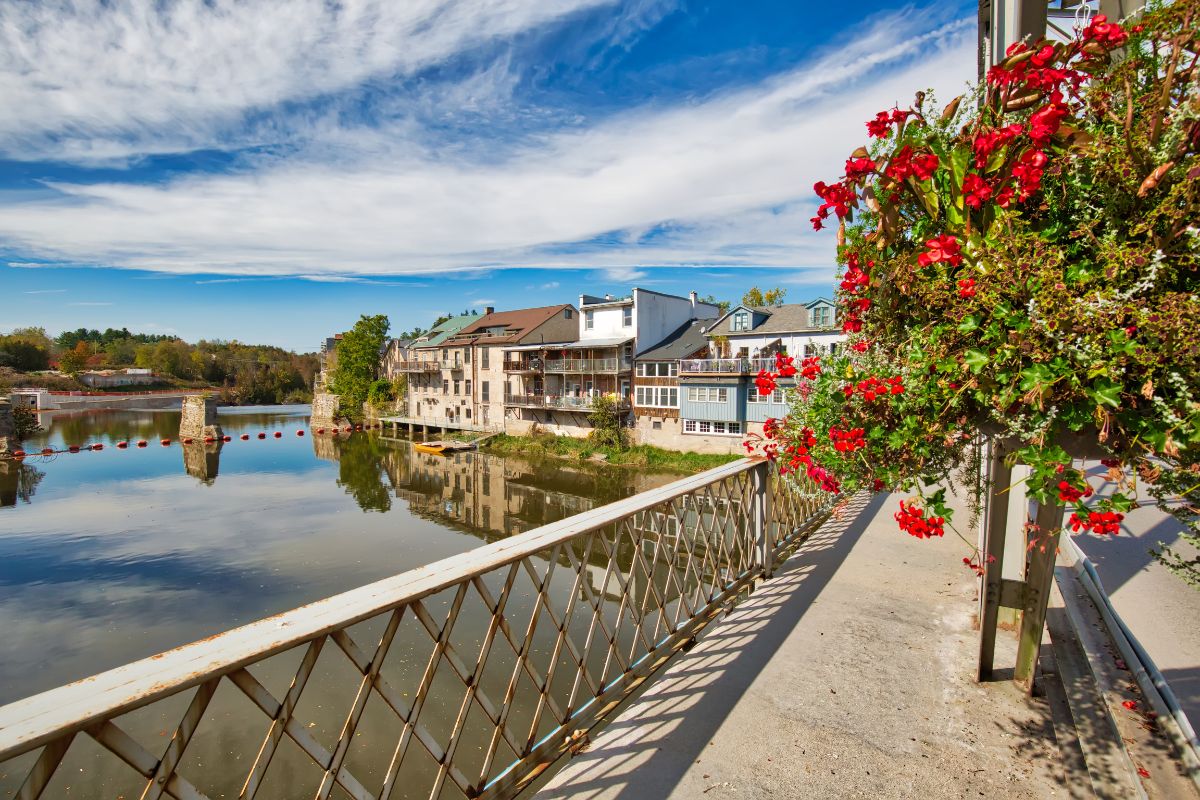
Continuing west, the Grand River valley offers a completely different landscape. The village of Elora is a popular destination, known for its dramatic gorge, limestone cliffs, and relaxed small-town feel. In warmer months, you can hike along the rim trails, swim at the quarry, or go tubing down the river — a classic summer activity in the area.
Nearby Waterloo and Kitchener are also a good base with plenty of places to eat and explore. The famous St. Jacobs Farmers’ Market is well worth a visit for local produce, baked goods (the best GF bread I’ve ever had), and a glimpse of the region’s Mennonite heritage.
This region feels less touristy than Niagara Falls or Muskoka but still offers plenty to do, making it a great choice if you want nature, activity, and interesting towns without long drives.
Tip: Some popular waterfalls and conservation areas in Hamilton require paid parking or timed reservations, especially during peak seasons. For more info and details, here’s our guide to the best waterfalls in Hamilton.
Suggested Plan:
- Drive from Toronto to Hamilton (about 1 hour)
- Visit Devil’s Punchbowl, Felker’s Falls, or other escarpment waterfalls
- Stay overnight in Hamilton or nearby Dundas/Ancaster
- Explore Dundas or Ancaster for cafés and local shops
- Continue to Elora Gorge for hiking, swimming, or tubing
- Stay overnight in Elora or nearby Fergus
- Spend time relaxing along the Grand River
- Visit Waterloo, Kitchener, and the St. Jacobs Farmers’ Market
You can either move between locations each night or choose one base and explore from there. The distances are short enough that both approaches work well, depending on how your family prefers to travel.
Option 4: Point Pelee & Southwest Ontario
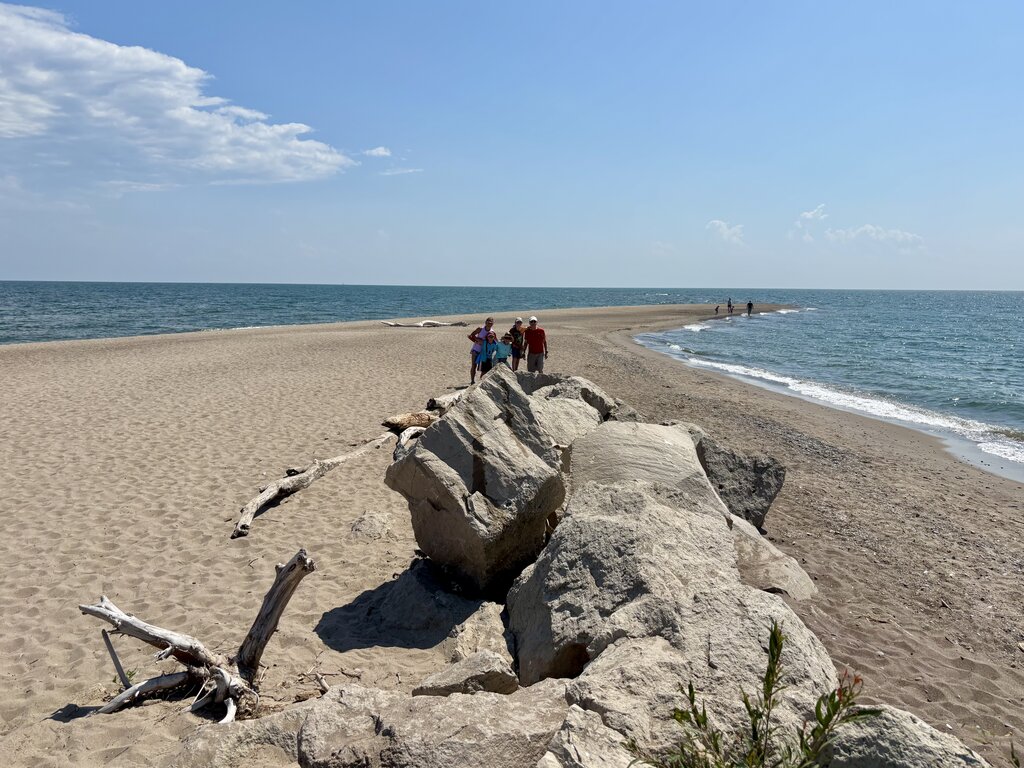
If you want to experience a side of Canada that feels completely different from forests, mountains, or big cities, head southwest to Point Pelee National Park. Located on a narrow peninsula extending into Lake Erie, this is the southernmost point of mainland Canada, and one of the most unique landscapes in the country.
Instead of rocky shorelines and pine forests, you’ll find sandy beaches, marshes, and warm lake waters. The park is famous for birdwatching, especially during spring and fall migrations, but you don’t need to be bird experts to enjoy it. Boardwalk trails wind through wetlands, quiet beaches stretch along the shoreline, and climbing the tower, plus the shuttle to the tip of the peninsula, is a fun experience for kids.
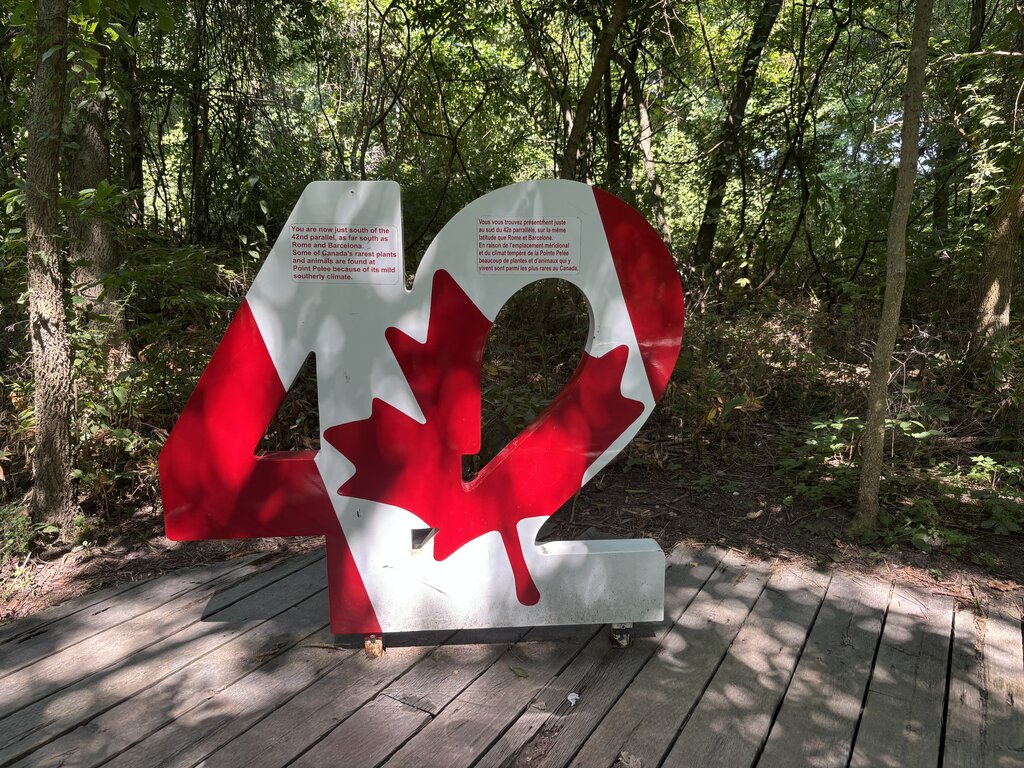
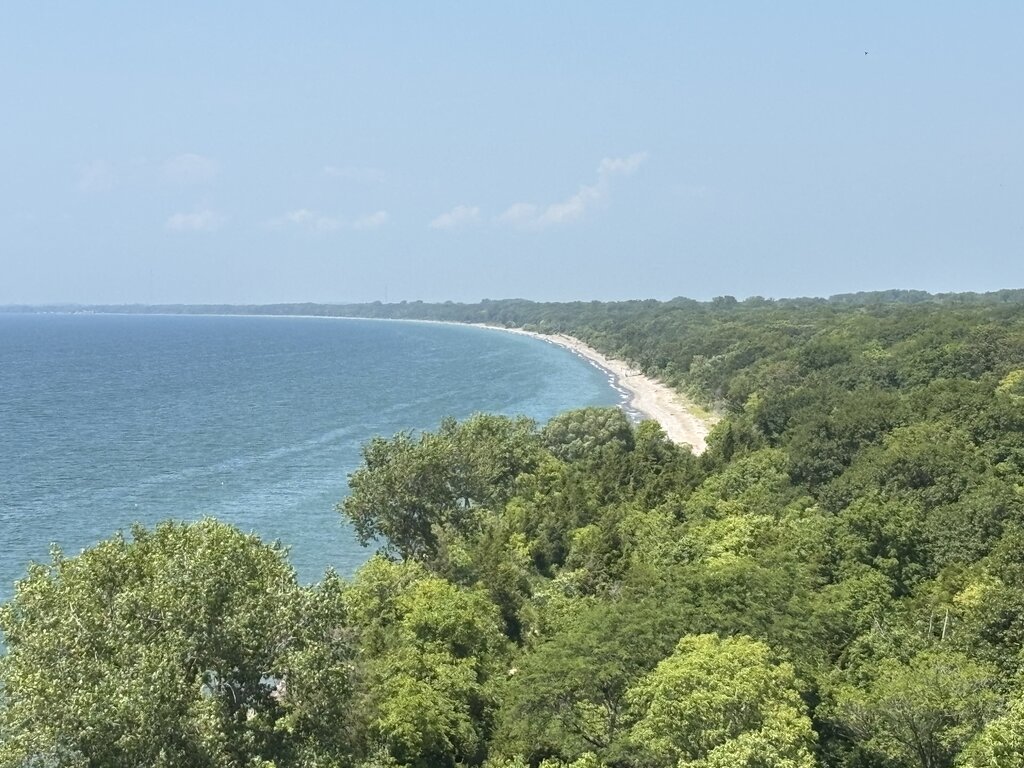
When we visited, we spent a full day exploring the park and another day taking the ferry to Pelee Island, which is actually the southernmost inhabited point of Canada. The island is quiet and uncrowded, with beautiful beaches, golf carts to get around, and a slower pace that’s very different from most Ontario destinations.
Leamington is a good place to base yourself for this trip. We grabbed sandwiches there before heading into the park, then spent time exploring nearby spots like Holiday Beach Conservation Area and a few wineries around Harrow, which were surprisingly family-friendly. I could sample local wines while the kids had snacks or drinks and then we all explored the trails or outdoor areas.
Because it’s farther from Toronto than the other options, this route works best if you’re happy with a longer drive in exchange for warmer weather, quieter beaches, and a landscape that feels surprisingly different from the rest of Ontario.
Tip: Summers here can be extremely hot and humid, with little shade in some parts of the park. We were surprised by how intense the humidity felt, so bring lots of water, sun protection, and insect repellent, and plan outdoor activities earlier in the day if possible.
Suggested Plan:
- Drive from Toronto to the Leamington area (about 4–4.5 hours)
- Spend a full day exploring Point Pelee National Park
- Take the shuttle to the tip of the peninsula
- Walk the marsh boardwalk and relax on the beach
- Take a ferry day trip to Pelee Island
- Explore Leamington, Kingsville, or nearby lakefront areas
- Optional stops at Holiday Beach Conservation Area or wineries near Harrow
Where to Stay
Leamington is the most convenient base for visiting Point Pelee National Park, with a range of hotels, motels, and vacation rentals close to the park entrance. For a quieter lakeshore setting, Kingsville offers charming accommodations, waterfront parks, and easy access to wineries and nearby attractions.
Option 5: Prince Edward County
Prince Edward County (often called “The County” or “PEC”) is a great choice if you’re looking for a laid-back trip with beaches, small towns, and plenty of good food. Located east of Toronto along Lake Ontario, it feels like a true getaway without requiring a long drive.
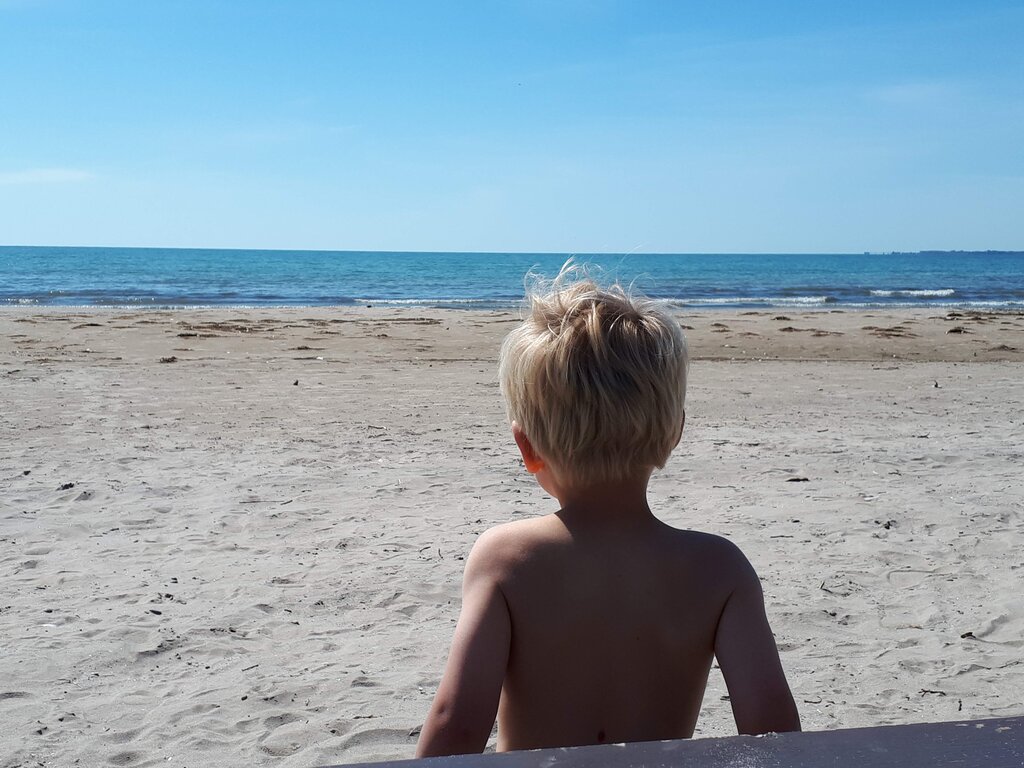
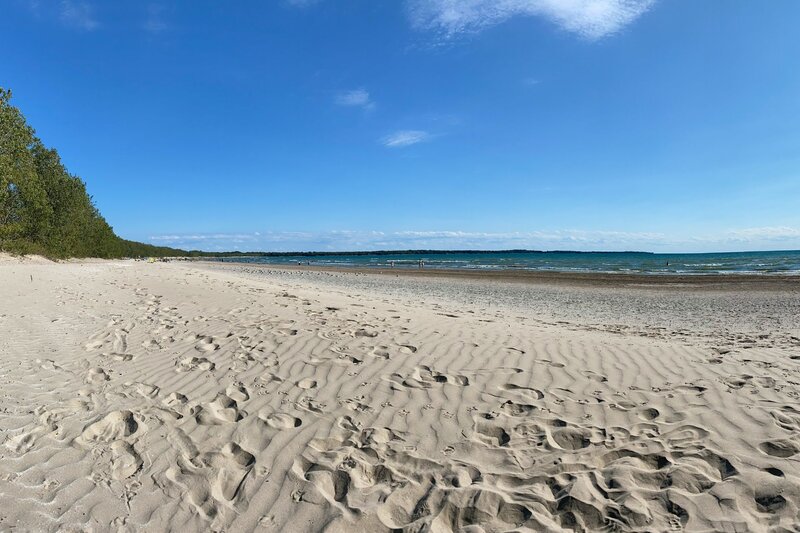
Sandbanks Provincial Park is one of the most well-known spots, known for its wide sandy beaches and massive dunes, which are some of the largest freshwater sand dunes in the world. The shallow water makes it especially good for families, and it feels much more like an ocean beach than most places in Ontario.
Another great beach worth visiting is Presqu’ile Provincial Park, and it’s usually less busy than Sandbanks.
Beyond the beach, the County is dotted with wineries, farm stands, bakeries, and small towns that are easy to explore at a relaxed pace. Picton and Wellington both make good bases, with walkable main streets, waterfront parks, and plenty of places to eat. Many wineries here are welcoming to families, with outdoor seating, space to roam, and non-alcoholic options for kids.
This route works especially well if you want a slower trip after a few busy days in Toronto. It’s less about checking off attractions and more about enjoying time together outdoors.

Suggested Plan:
- Drive from Toronto to Prince Edward County (about 2.5–3 hours)
- Spend a full day at Sandbanks Provincial Park
- Explore Picton, Wellington, or nearby small towns
- Visit local wineries, markets, and bakeries
- Enjoy additional beach time or cycling routes
You can base yourself in one town and explore from there or move between areas for a slightly different experience. Distances across Prince Edward County are short, so either approach works well depending on how your family prefers to travel.
Where to Stay
Picton and Wellington are the most popular bases in Prince Edward County. Picton offers the widest range of accommodation and amenities, while Wellington provides a smaller, lakeside atmosphere with easy access to beaches and wineries. Because distances across the County are short, you can explore most attractions from either location.
How to Choose the Right Route
Not sure which option is best for your family? Each of these trips offers a completely different experience, so the “right” choice really depends on what you enjoy most and how you like to travel.
If you want classic Canadian nature: Choose Muskoka & Algonquin
This is the trip for lakes, forests, wildlife, and outdoor activities. It’s ideal if your family enjoys hiking, paddling, swimming, or simply relaxing by the water. Expect a slower pace and lots of time outdoors.
For iconic sights and variety: Choose Niagara Falls & Niagara Region
If this is your first time in Ontario (or Canada), Niagara Falls delivers big, memorable experiences. You’ll get the famous landmark, plenty of attractions for kids, and easy add-ons like Niagara-on-the-Lake, beaches, and wineries.
For active outdoor exploring: Choose Hamilton, Elora & the Grand River
This route is perfect if you want nature without heading deep into the wilderness. Waterfalls, scenic hikes, tubing, and interesting smaller cities make it a great middle ground between urban and rural experiences.
For warm-weather beaches and unique wildlife: Choose Point Pelee & Southwest Ontario
Warmer temperatures, sandy beaches, marsh boardwalks, and migratory bird habitat make this area feel very different from the rest of Ontario. It’s quieter, less touristy, and ideal if you enjoy nature and don’t mind a longer drive.
For a relaxed beach-and-town getaway: Choose Prince Edward County
If you’re looking for a low-key trip with good food, wineries, and family-friendly beaches, the County is hard to beat. It’s easy to navigate, close to Toronto, and perfect if you want to slow down after sightseeing.
Still undecided?
Ask yourself a few simple questions:
- Do we want busy attractions or quiet nature?
- Are we happy driving long distances, or prefer short trips?
- Are beaches a priority?
- Do we want lots of activities or a more relaxed pace?
There’s no wrong choice — each option shows a different side of Ontario beyond the city.
Do You Need a Car?
For these itineraries, a car is strongly recommended. While Toronto itself is easy to explore using public transit, the destinations beyond the city are spread out and not well connected by trains or buses.
Renting a car gives you the flexibility to travel at your own pace, stop at viewpoints or small towns along the way, and carry everything you need for beaches, hiking, or day trips. Driving distances are manageable, with most destinations within one to four hours of Toronto.
If you prefer not to drive, Niagara Falls is the easiest option to visit without a car, thanks to organized tours and public transportation links. Here’s how to get to Niagara Falls from Toronto.
All of the other routes are best experienced with your own vehicle though.
I always compare rental options through DiscoverCars, which is an aggregate that helps you find the best prices and vehicle choices. While I always have our own car in Ontario, I have used them when renting in other destinations, and have always had a good experience.
Our Take on Spending One Week in Toronto
Toronto is an exciting city with plenty to see and do, but one of the best things about visiting is how many completely different experiences that are just a few hours away. From famous sights and sandy beaches to quiet lakes, waterfalls, and small towns, exploring beyond the city gives you a much fuller picture of southern Ontario.
If you have a full week, combining a few days in Toronto with time outside the city gives you a much better sense of what southern Ontario is actually like beyond the skyline. Whether your family prefers outdoor adventures, famous sights, relaxed beach days, or slower countryside exploring, there’s an option that fits your travel style.
No matter which option you choose, you’ll see a very different side of Ontario than you would by staying in Toronto the whole time.
Looking for more ideas to plan your trip? To make the most of your time in the city, here’s how we suggest spending 3 days in Toronto, as well as the best things to do in Toronto with kids, and where to stay in Toronto for families. To see more of the area outside of the downtown core, here’s some of the best day trips from Toronto, some of which are included in the options mentioned in this one week Toronto itinerary.