7-Day Calabria Itinerary: The Best Beaches, Villages, and History
Calabria is a region of stunning beaches, charming hilltop villages, and incredible food—yet it’s still one of Italy’s most underrated destinations.
We spent a week in Calabria, and it was just enough to fall in love with southern Italy—and to know we’ll be back. We based ourselves in Tropea, explored the town, spending afternoons at the beach and taking day trips to Pizzo and Zambrone, but quickly realized how much more there is to see. Next time, we want to explore ghost towns, rugged mountains, and historic villages—without packing up and switching hotels every day.
That’s why this 7-day Calabria itinerary is designed with two bases: Tropea and Scilla (or Reggio Calabria). It’s the perfect way to experience Calabria’s beaches, small towns, and history while keeping travel days to a minimum – perfect for families or anyone wanting a slower-paced trip.
This post contains affiliate links. If you make a purchase through one of these links, we may earn a small commission at no extra cost to you. As always, we only recommend products and experiences we truly believe in.
Day 1: Arrive in Calabria – Drive to Tropea
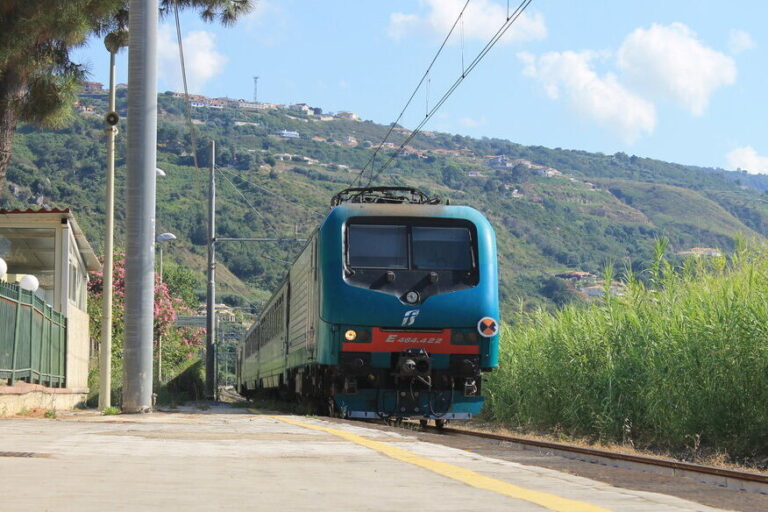
Chances are your Calabria adventure starts at Lamezia Terme Airport (SUF), the main gateway to the region. While it’s possible to get around by train, renting a car is the best way to explore—many of Calabria’s most beautiful spots are tucked away in small villages or along scenic coastal roads.
From Lamezia, it’s an easy – and beautiful – one-hour drive to Tropea, your home for the next three nights. As you approach Pizzo, the road begins to follow the coast, offering stunning views of the Tyrrhenian Sea and the dramatic cliffs of the Costa degli Dei—Coast of the Gods.
If you’re not renting a car, here’s how to get from Lamezia Terme to Tropea.
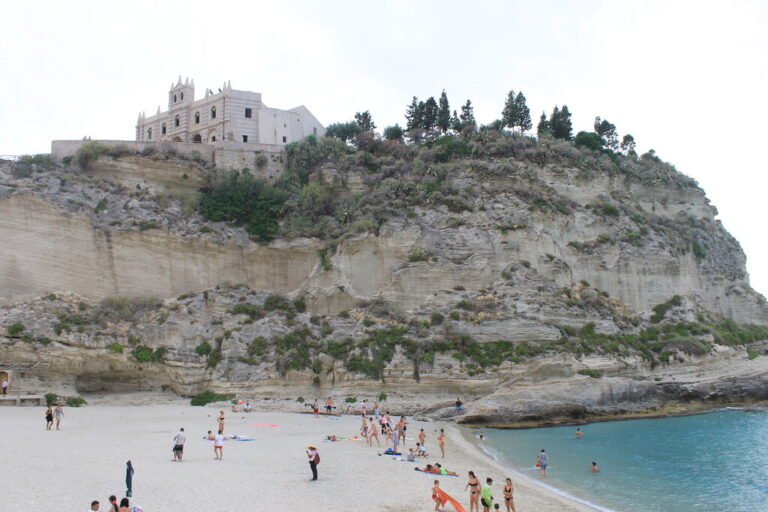
After arriving in Tropea and checking in to your accommodation, take the rest of the day to wander Tropea’s old town. The maze of cobblestone streets, lively piazzas, and historic buildings is perfect for exploring on foot. Make your way to the Santa Maria dell’Isola, the iconic church perched on a rocky outcrop above the sea. The views at sunset are incredible.
For dinner, Tropea is all about seafood, and you can’t go wrong with a dish of fresh swordfish. But if seafood isn’t a hit with the kids, pizza is always a great option—and Calabria does it well. End the meal with a scoop (or two) of gelato, because when in Italy, gelato is a daily essential.
Where to Stay in Tropea
- Terrazzo del Borgo – A great option with spacious rooms and a central location, perfect for families. We stayed here and absolutely loved it.
- Eliseo Palace Tropea ($$-$$$)– A modern hotel with a great location close to Tropea’s main attractions. The rooms are spacious and well-equipped, and some offer balconies with views of the sea.

Day 2: Pizzo – Castles, History & Tartufo Gelato
Today is a short and easy day trip to Pizzo, a charming coastal town just 30 minutes north of Tropea. Pizzo is small but full of history—and, more importantly, it’s the birthplace of Tartufo di Pizzo, Calabria’s most famous gelato dessert.
Morning: Castles & Historic Streets
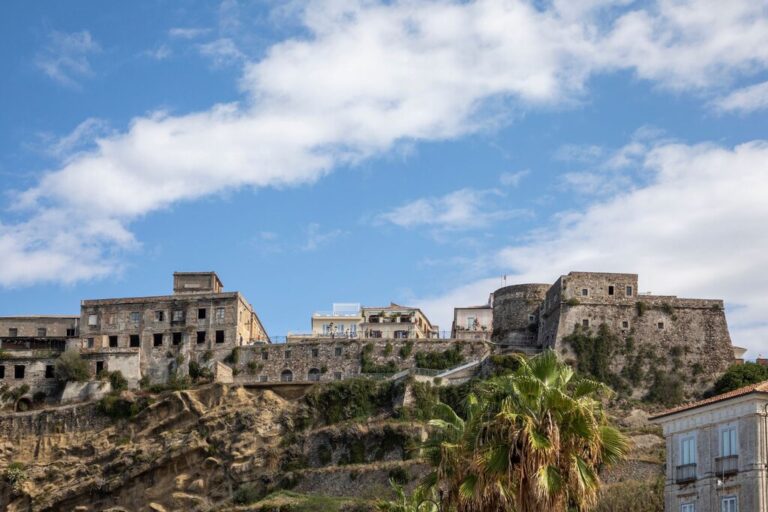
Start with a visit to Castello Murat, a 15th-century castle overlooking the sea. This small fortress is best known as the place where Joachim Murat, Napoleon’s brother-in-law, was imprisoned and executed in 1815. It’s a quick but interesting visit, and the views from the castle walls are fantastic.
After the castle, wander through Pizzo’s historic centre. The town has a laid-back, local feel, with narrow streets, little shops, and plenty of cafés. It’s worth stopping by Piazza della Repubblica, the main square, to soak in the atmosphere.
For more ideas on what to see and do, here’s some of the best things to do in Pizzo.
Afternoon: Tartufo & Beach Time
You can’t come to Pizzo and not try Tartufo di Pizzo. This famous chocolate-and-hazelnut gelato dessert is molded by hand, with a surprise melted chocolate centre. There are plenty of places to try it, but some of the best are:
- Gelateria Ercole – One of the original creators of Tartufo
- Bar Dante – Another great option, right in the piazza
After indulging in dessert, head down to Marina di Pizzo Beach to relax. It’s not as dramatic as Tropea’s beaches, but it’s a nice place to cool off before driving back.


Evening: Relax in Tropea
After a fun day in Pizzo, head back to Tropea in the late afternoon. This is a great time to take a stroll through the old town, enjoy the lively piazzas, explore more of what Tropea has to offer, or simply unwind at your hotel. If you’re up for another treat, grab a gelato from one of Tropea’s many excellent gelaterias—because there’s no such thing as too much gelato in Italy.

Day 3: Beaches & Scenic Views at Capo Vaticano
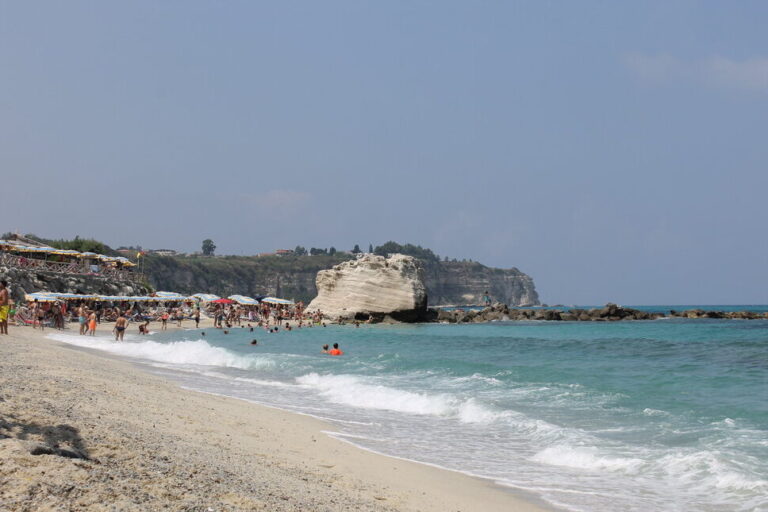
After a day of exploring Pizzo, today is all about relaxing by the sea. Calabria’s beaches are some of the most beautiful in Italy, and this is your chance to enjoy them at a slower pace.
Morning: Tropea’s Stunning Beaches
Start your day with a few relaxed hours at one of Tropea’s gorgeous beaches. If you want something close to town, Spiaggia della Rotonda is a great choice, with soft sand and crystal-clear water. But for a quieter experience, head just outside Tropea to Spiaggia di Michelino in Parghelia (about a 10-minute drive). This hidden gem has stunning turquoise water and a more local, laid-back feel.

Afternoon: Capo Vaticano’s Scenic Coastline
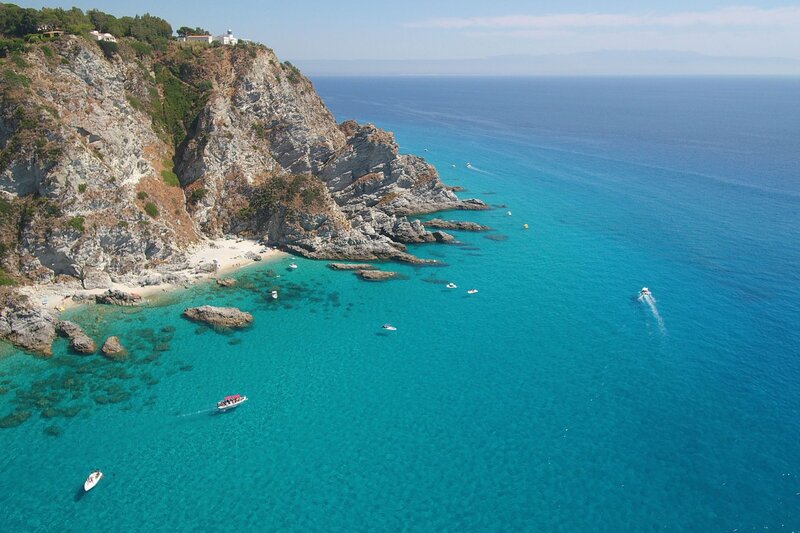
After lunch, take a short drive (20 minutes) to Capo Vaticano, one of Calabria’s most breathtaking coastal areas. It’s an easy day trip from Tropea, and the panoramic viewpoint at Belvedere del Capo Vaticano is a must-stop, offering unbelievable views over the rugged coastline and the Aeolian Islands in the distance.
If you’re up for more beach time, Grotticelle Beach is one of the best in the area, with calm, shallow waters perfect for kids. Or, if you’re feeling adventurous, consider a boat trip to explore hidden coves and sea caves along the coast. Many tours leave from Tropea or Capo Vaticano and can take you to secluded beaches only accessible by boat.
What to Eat: Try Calabria’s Famous ‘Nduja
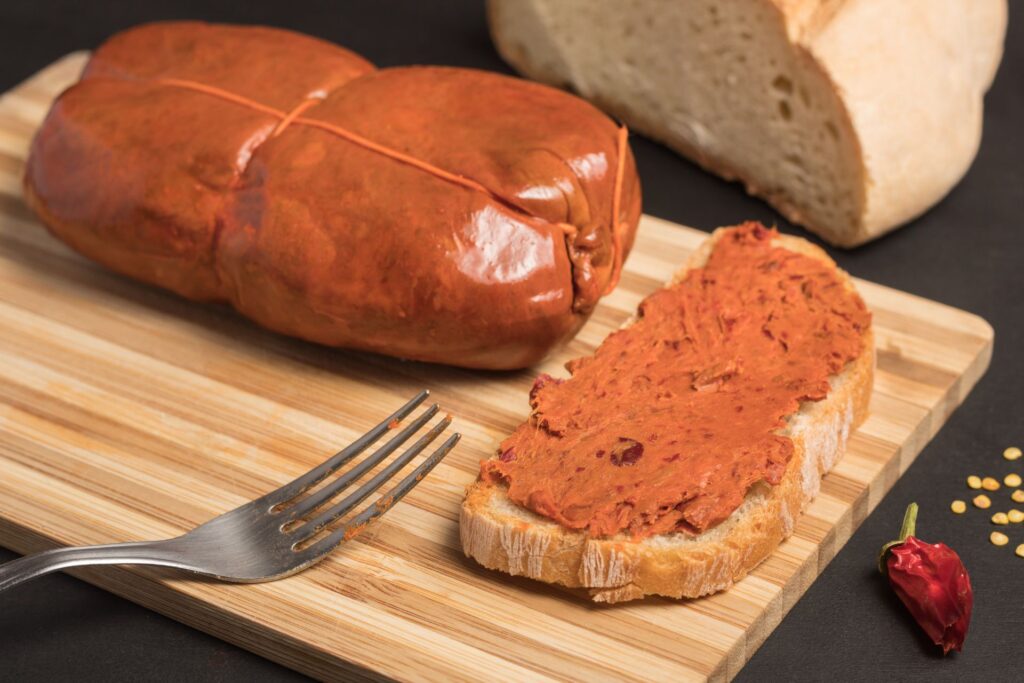
At some point today, make sure to try ‘nduja, Calabria’s famous spicy, spreadable pork sausage. It’s delicious on pizza, bruschetta, or mixed into pasta for a bold, smoky kick. If you like spice, you’ll love it.
After a day of sun, swimming, and coastal views, return to Tropea for a relaxed evening.
Day 4: Drive to Scilla – A Charming Seaside Village
Today, you’ll say goodbye to Tropea and head south to Scilla, one of Calabria’s most picturesque coastal villages. Known for its mythological connection to the sea monster Scylla, Scilla is a mix of history, fishing traditions, and stunning seaside views.
Morning: Scenic Drive to Scilla
After breakfast, drive 1 hour 30 minutes south along the coast toward Scilla. The drive itself is part of the experience—expect beautiful sea views and a few small villages along the way. If you want to break up the journey, consider a quick coffee stop in Palmi, a town with a scenic overlook of the Tyrrhenian Sea.
Afternoon: Exploring Chianalea & The Beach
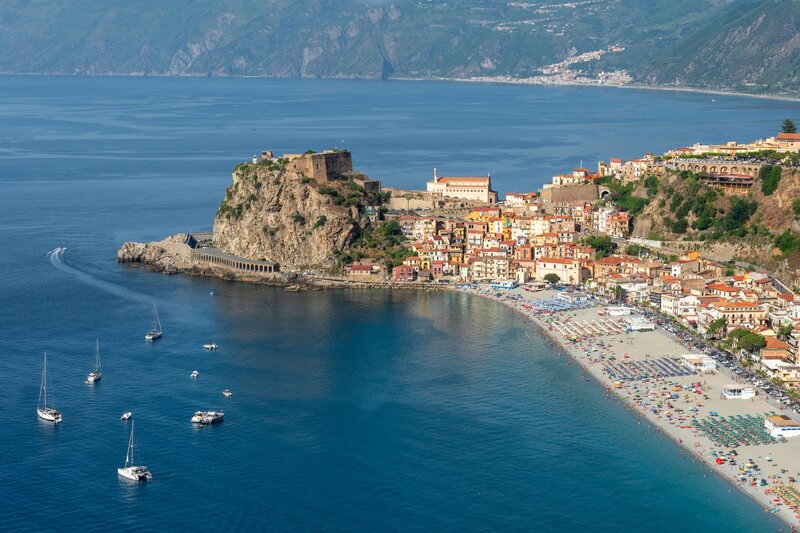
Once in Scilla, start by wandering through Chianalea, the village’s historic fishing district. Nicknamed the “Venice of the South” (though it’s nothing like Venice), Chianalea is a charming tangle of narrow streets where houses are built right on the water’s edge. Fishing boats bob in the tiny harbours, and the scent of fresh seafood fills the air.
After exploring, it’s time to hit the beach. Spiaggia delle Sirene is the main beach in Scilla, with clear, calm waters and a dramatic backdrop of Castello Ruffo, the fortress perched on the cliff above. It’s a great spot to relax, swim, and let the kids splash around.
Evening: Fresh Swordfish & Sunset Views
Scilla is famous for its swordfish, so dinner should definitely include this local specialty. Many restaurants in Chianalea serve it grilled, in pasta, or as a sandwich (panino con pesce spada). For a great meal with sea views, check out:
- Ristorante Glauco – Waterfront dining with excellent seafood
- Casa Vela Wine Bar – A relaxed spot for swordfish appetizers and local wine
After dinner, enjoy the sunset over the sea, then settle into your accommodation for the night.
Where to Stay in Scilla
- Il Casato Deluxe Rooms – A beautiful boutique hotel in Chianalea, right by the water, with spacious rooms and sea views. Perfect for families who want to stay in the historic district.
- B&B La Veduta – A cozy, family-run B&B with balconies overlooking the sea and an easy walk to both the beach and Chianalea. Great value and a warm, welcoming atmosphere.
In Reggio Calabria
- Hotel Medinblu – A stylish, centrally located hotel with family rooms and a rooftop terrace, close to the promenade and museum.
- Albanuova Hotel – A comfortable 4-star option with spacious rooms and an excellent breakfast, perfect for families wanting a bit more space.
Day 5: Reggio Calabria & the Ghost Town of Pentedattilo
Today is a mix of history, culture, and a bit of adventure, starting in Reggio Calabria, the largest city in Calabria, before heading to one of the region’s most fascinating ghost towns.
Morning: Reggio Calabria – Ancient Treasures & Seaside Strolls
Start the day at the National Archaeological Museum, home to Calabria’s most famous artifacts: the Riace Bronzes. These life-size Greek warrior statues, dating back to the 5th century BC, were discovered in the sea in the 1970s and are considered some of the finest ancient sculptures in the world. Even if you’re not usually into museums, they’re worth seeing.
After the museum, take a walk along Lungomare Falcomatà, Reggio’s beautiful waterfront promenade. It’s often called the “most beautiful kilometre in Italy” thanks to its palm trees, sea views, and backdrop of Mount Etna across the Strait of Messina. There are playgrounds along the way, making it a great spot to stop if you have young kids.

Of course, no visit to Reggio Calabria is complete without gelato. This city is known for having some of the best in Italy, and one of the must-try flavours is bergamot, a citrus fruit that grows in Calabria. Some great spots to try include:
- Gelateria Cesare – One of the most famous in the city, known for its bergamot gelato
- Sottozero Gelateria – Another local favourite with lots of unique flavours
Afternoon: Exploring Pentedattilo, Calabria’s Mysterious Ghost Town
After lunch, take a 30-minute drive inland to Pentedattilo, an abandoned village that’s often listed among the best places to visit in Calabria for its dramatic setting and eerie, almost-forgotten charm. Perched on the side of Monte Calvario, the village gets its name from its rocky landscape, which resembles a giant “five-fingered hand” (Pentedattilo means “five fingers” in Greek).
Once a thriving Greek settlement, the village was abandoned over time due to earthquakes and isolation. Today, it’s partially restored, with a few small artisan shops and a walking path through the abandoned stone houses and ruins. The atmosphere is surreal—quiet, windswept, and full of history. Kids will love exploring the old pathways, and the views over the surrounding valley are incredible.

Late Afternoon: Explore Bova, the Heart of Greko Culture (Depending on your time)
If you have time and energy after visiting Pentedattilo, consider a 30-minute detour to Bova, a peaceful hilltop village known for its Greek heritage. Recognized as one of Italy’s most beautiful villages, Bova offers narrow stone streets, panoramic views, and a glimpse into Calabria’s ancient Greko culture.
Take a relaxed walk through the historic centre, visit the Cathedral of Bova, or stop for a coffee and local bergamot pastries at a small café. The drive is winding, but the views from the village make it worthwhile.
Evening: Return to Scilla or Reggio Calabria
After exploring for the day, drive back to your base for the night. If you’re in Scilla, a relaxed dinner by the sea is the perfect way to end the day.

Day 6: Aspromonte National Park – Mountains, Views & Hidden Villages
Today is all about Calabria’s wild side. Aspromonte National Park, with its rugged mountains, deep forests, and remote villages, offers a completely different experience from the coastal towns. Whether you’re up for exploring ghost villages or chasing waterfalls, there’s something for everyone.
Morning: Scenic Drive & Montalto’s Panoramic Views
Start the day with a 1-hour drive inland into Aspromonte National Park, heading toward Montalto, the highest peak in Calabria at 1,955 metres. From the top, you’ll get breathtaking panoramic views, stretching across Calabria, Sicily, and even the Aeolian Islands on a clear day. It’s an easy walk to the viewpoint, making it a great stop for families.
Afternoon: Hike to Cascate Maesano
After soaking in the views, head to Cascate Maesano, a stunning three-tiered waterfall hidden in the park. The hike to the falls takes about 45 minutes each way, making it a doable adventure for families. The trail winds through forests and rocky paths, leading to a crystal-clear pool—perfect for cooling off on a warm day. If you love waterfalls (and really, who doesn’t?), this is a must-do.
Alternative Option: Roghudi Vecchio
If your family is more into history than hiking, consider swapping the waterfall for a visit to Roghudi Vecchio, an abandoned mountain village with crumbling stone houses and an isolated, almost otherworldly atmosphere. The drive is winding and remote, so it’s best for those who love off-the-beaten-path adventures.
Evening: Return to Scilla or Reggio Calabria
After a day in the mountains, head back to Scilla or Reggio Calabria for the evening. A relaxed dinner and a good night’s rest will be well deserved after today’s adventure.

Day 7: Return to Lamezia Terme – Optional Stop in Bova
Your time in Calabria is wrapping up, but there’s still time for one last stop before heading to the airport.
Today, you’ll make the drive back toward Lamezia Terme (1.5-2 hours), with a relaxed morning in Reggio Calabria first and a stop along the coast on the way to the airport.
Morning: A Final Stroll in Reggio Calabria
If you didn’t have time to fully explore Reggio Calabria earlier in the trip, this is a great opportunity for a final walk. Stroll along Lungomare Falcomatà, soak in the sea views, or grab a morning coffee at one of the cafés along the promenade. If you’d like to fit in one last cultural stop, visit Castello Aragonese, a historic fortress with sweeping views, or Villa Genoese Zerbi, a beautiful 19th-century villa with unique architecture.
Afternoon: Choose Your Last Stop – Pizzo or Vibo Valentia
After leaving Reggio, you’ll drive north toward Lamezia Terme Airport (about 1.5 to 2 hours). Depending on your flight time and energy level, you can make one final stop along the way.
For a relaxed seaside lunch: Stop in Pizzo
If you want to end the trip with great food and sea views, Pizzo is the perfect choice. The drive takes about 1 hour 15 minutes, and once there, you can enjoy a leisurely lunch at a waterfront trattoria. If you didn’t get a chance to try Tartufo di Pizzo earlier in the trip—or even if you did and just need one more—it’s the perfect sweet ending to your Calabria adventure.
For more exploring: Stop in Vibo Valentia
If you’re up for one last adventure, head to Vibo Valentia, a hilltop town with history and great views. The drive from Reggio takes about 1 hour 30 minutes, and you can explore the Norman-Swabian Castle, which houses an archaeological museum, or take a short walk through the historic centre. It’s a nice stop if you’re looking for something different before heading to the airport.
Late Afternoon: Return to Lamezia Terme
From either Pizzo or Vibo Valentia, it’s a 30-minute drive to Lamezia Terme Airport, so plan accordingly based on your departure time.

Best Time to Visit Calabria
- Best months: June & September – The best balance of good weather and fewer crowds
- Peak season: July & August – It’s hot, busy, and more expensive, especially during Ferragosto (mid-August) when Italians take their summer holidays.
- Spring & Fall (April-May, October) – Milder weather is great for sightseeing and hiking, but the sea might be too cool for swimming.
- Winter (November-March) – Quiet and peaceful, but some coastal areas shut down, and beach weather is long gone.
Final Thoughts: Highlights of Calabria Itinerary
After spending a week in Calabria, we knew one thing for sure—it wasn’t enough. We fell in love with Tropea’s beaches, indulged in gelato every day, and wished we’d planned better to see the ghost towns. This itinerary balances all the things that make Calabria special—stunning coastlines, charming villages, and history—without feeling rushed. Whether it’s your first trip or the start of many, you’ll leave with incredible memories (and probably a new love for Tartufo and gelato).
Planning your trip? Let us know if you have any questions!